
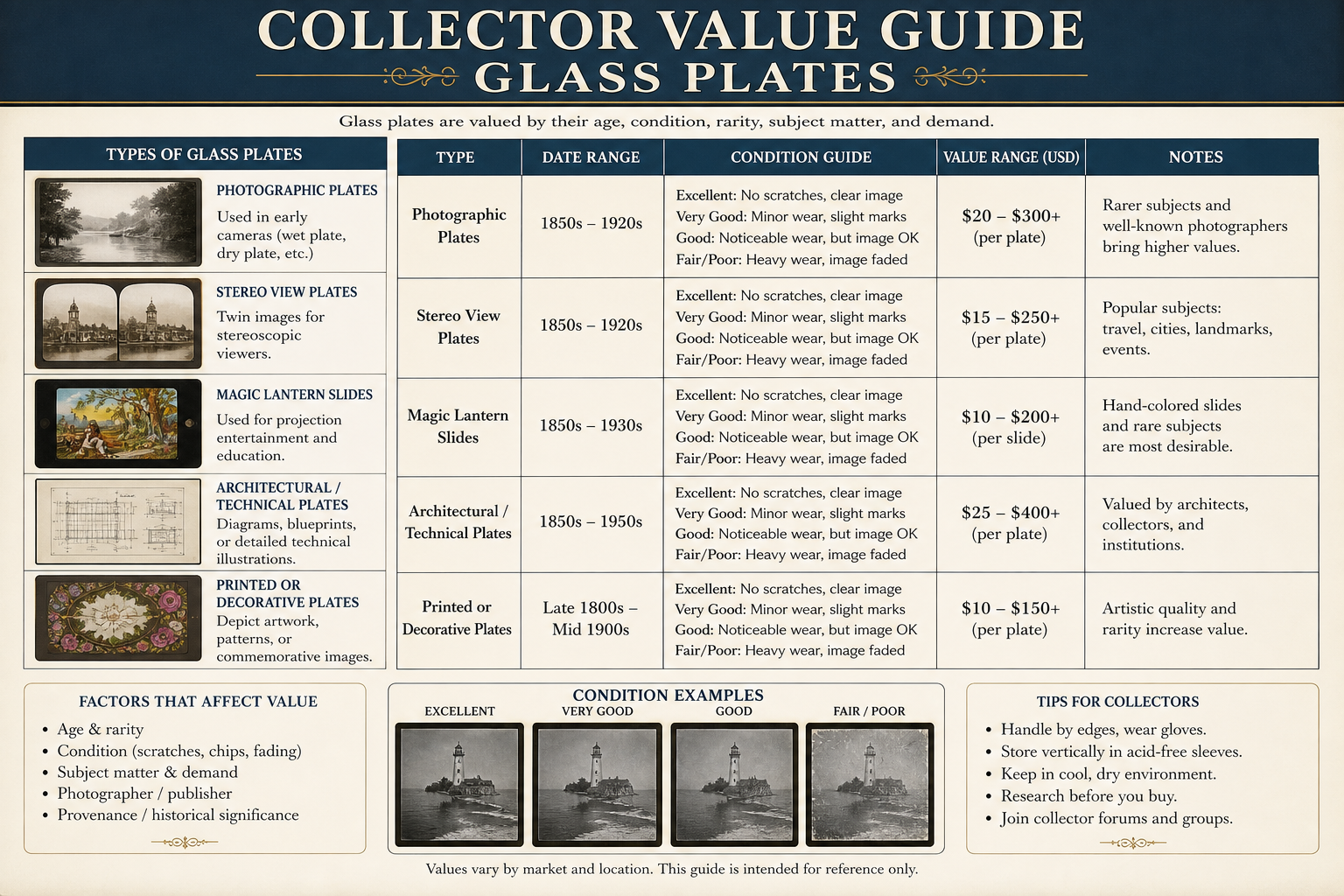
Plate value guide
What is a Peggy Karr plate worth today? Condition, pattern demand and packaging drive prices more than age alone. Use this guide to grade pieces before you buy, sell or insure a collection.
Related picks
Plates to compare
Listings collectors cross-shop when building a Peggy Karr set.
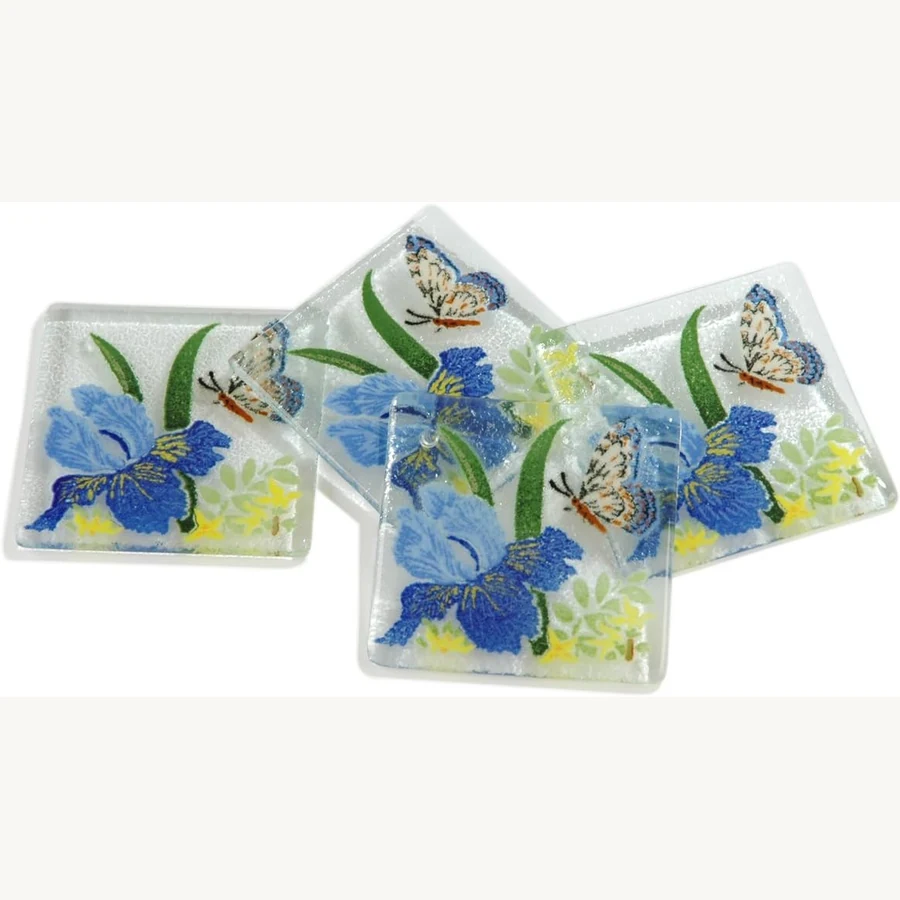
Forsythia Coasters Set of 4
A set of four coasters is the most accessible entry point for buyers testing Peggy Karr quality.
Check Price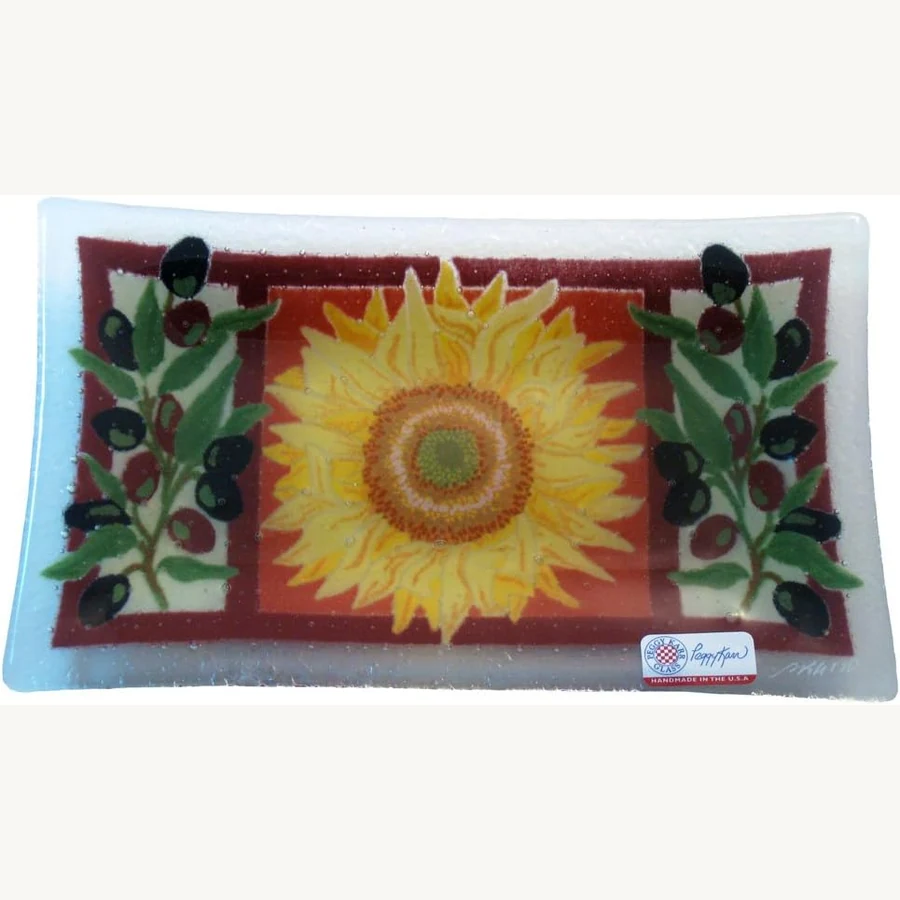
Tuscany Tray 10"
The 10-inch Tuscany tray trades below larger serving pieces while keeping full fused-glass weight.
Check Price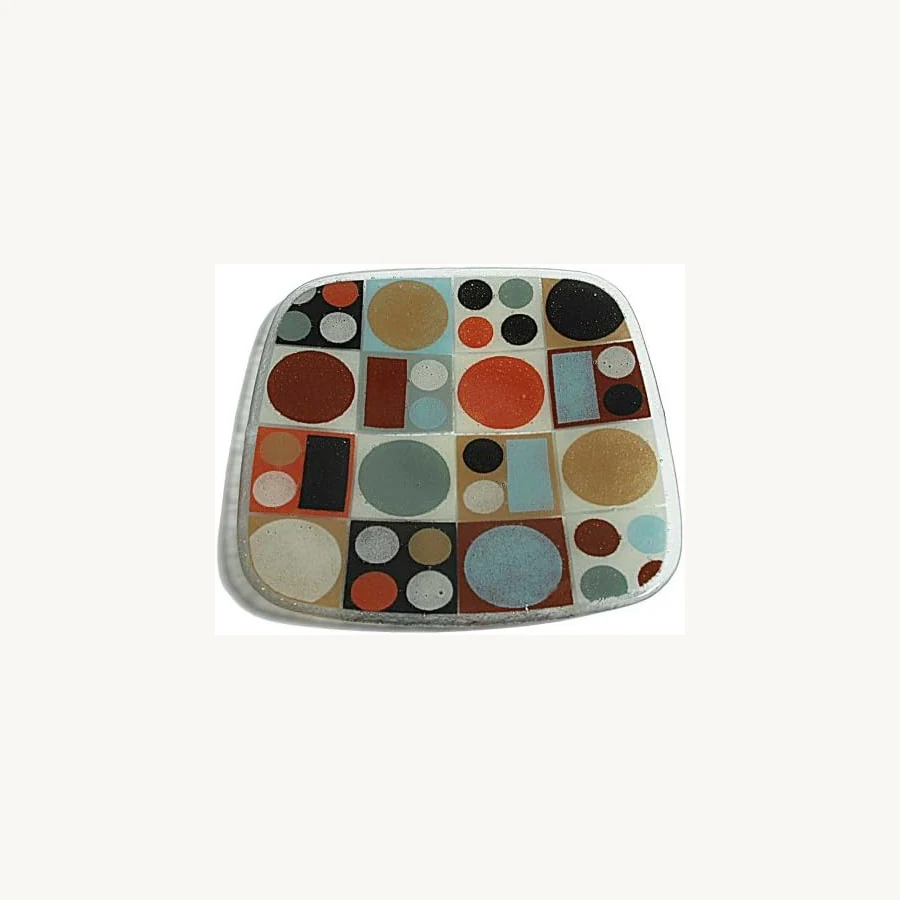
Metro Earth Plate 12"
The 12-inch Metro Earth plate offers signature studio work at a mid-range serving-piece price.
Check Price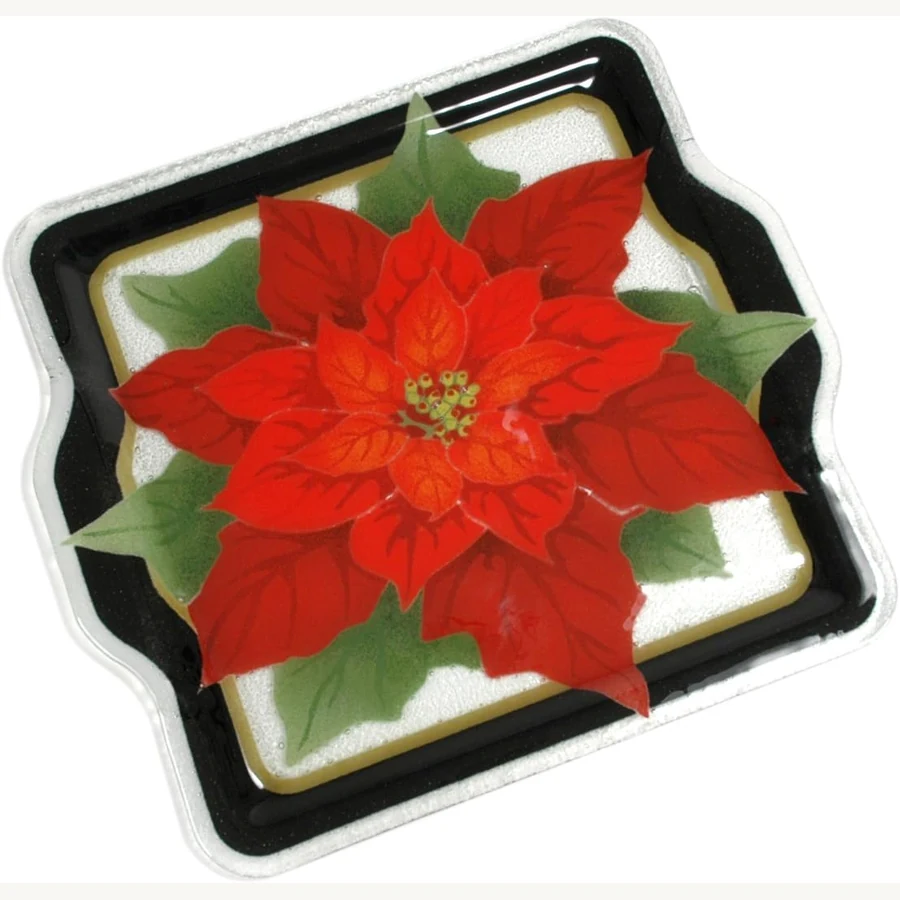
Poinsettia Square Tray 18"
Eighteen inches of fused poinsettia glass often lists below rare retired lighthouse colorways.
Check PriceCondition grading scale
Mint means no rim chips, no utensil scratches visible at arm's length, signature intact, optional box included. Cabinet queens command top dollar.
Excellent allows micro-scratches from careful serving and slight label wear. Signature must remain legible. Most well-loved Karr plates sit here.
Good shows visible scratches or tiny chips not affecting structure. Price discounts of twenty to forty percent versus excellent are common.
Fair includes chips, faded signatures or repairs. Buy only if pattern is rare and you accept display-only status.
Pattern demand tiers
Tier one: iconic lighthouses, sunflowers, tropical parrots with strong online search volume. Steady buyer pool keeps liquidity high.
Tier two: seasonal and bird plates—cardinals, hummingbirds, Christmas trees. Spikes near holidays then settles.
Tier three: obscure retired trials and promotional gift-shop exclusives. Values jump when two serious collectors collide at auction.
Consult our lighthouse page for coastal premium notes and signature checks before paying tier-one prices.
Where prices form
Estate sales remain the bargain channel—if you arrive early. Dealers know Karr names now; less informed yard sales still yield finds.
eBay and specialty auction houses set public comps. Online buy-now prices often run high but include convenience and return options.
Local shore boutiques occasionally discount old stock when styles change—compare shelf prices to online before assuming a deal.
Selling your plates
Photograph front, back and rim chips in one gallery. Include diameter and signature close-up. Honest grading builds trust.
Ship double-boxed with foam corners. State insurance and handling time clearly—glass negative reviews often trace to packing, not product.
Bundle common patterns for starter sets; sell rare pieces individually. Mention food-safe status if confirmed to widen buyer pool.
Insurance and appraisal
Homeowner policies may require itemized schedules above certain thresholds. Keep purchase receipts and dated photos.
Professional appraisers versed in studio glass help with estates. For everyday collecting, recent sold listings plus condition notes suffice.
Values fluctuate with decorating trends. Fused glass mid-century revival interest has kept Peggy Karr baseline steady even as some ceramics cool.
Investment realism
Most collectors buy for display joy and entertaining, not retirement returns. Plates earn emotional dividend every dinner party.
Rarity wins over age—a mint 2000s retired lighthouse can beat a scratched 1990s common sunflower. Focus on quality over nostalgia alone.
Read buyer experiences to avoid overpaying for damaged goods marketed as vintage charm.
Price check workflow
Search completed listings for your exact pattern name plus Peggy Karr. Ignore active wishful asking prices—they often sit unsold for months.
Adjust comps for condition: subtract ten to twenty percent for visible utensil marks, more for rim chips or faded signatures.
Buy-now listing prices include shipping convenience—compare only if you need fast delivery. Estate channels still win on excellent-grade bargains when you hunt locally.
Building a set
Starter sets of three coordinating coastal or floral plates sell well when you eventually downsize. Buy excellent grade throughout so the set photographs cohesively.
Document purchase price per plate in a spreadsheet. Future heirs appreciate knowing which pieces carry replacement value above sentimental worth.
Rotate which plate sits in prime window light to spread UV exposure evenly across a growing collection.
Tax and estate notes
Charitable donations of art glass may require appraisals above IRS thresholds. Condition photos and signature documentation speed that process.
When dividing estates among siblings, agree on grading standards first—one heir's mint is another's excellent. Our scale above offers neutral vocabulary.
Keep original boxes flat in dry storage; crushed packaging lowers resale even when the plate itself is pristine.
When updating insurance riders, note that replacement cost may exceed what you paid at an estate bargain—recent sold listings for your pattern are the fairest guide for agents.
Track fees and sales tax in your cost basis if you flip plates occasionally. Accurate records prevent surprises when a good year of reselling stacks into reportable income.
About the author
Elena Marsh is a fused glass collector and editorial guide who has tracked Peggy Karr plates for over fifteen years. She buys at estate sales, documents condition grades, and writes independently—this site is not affiliated with Peggy Karr or her New Jersey company.