
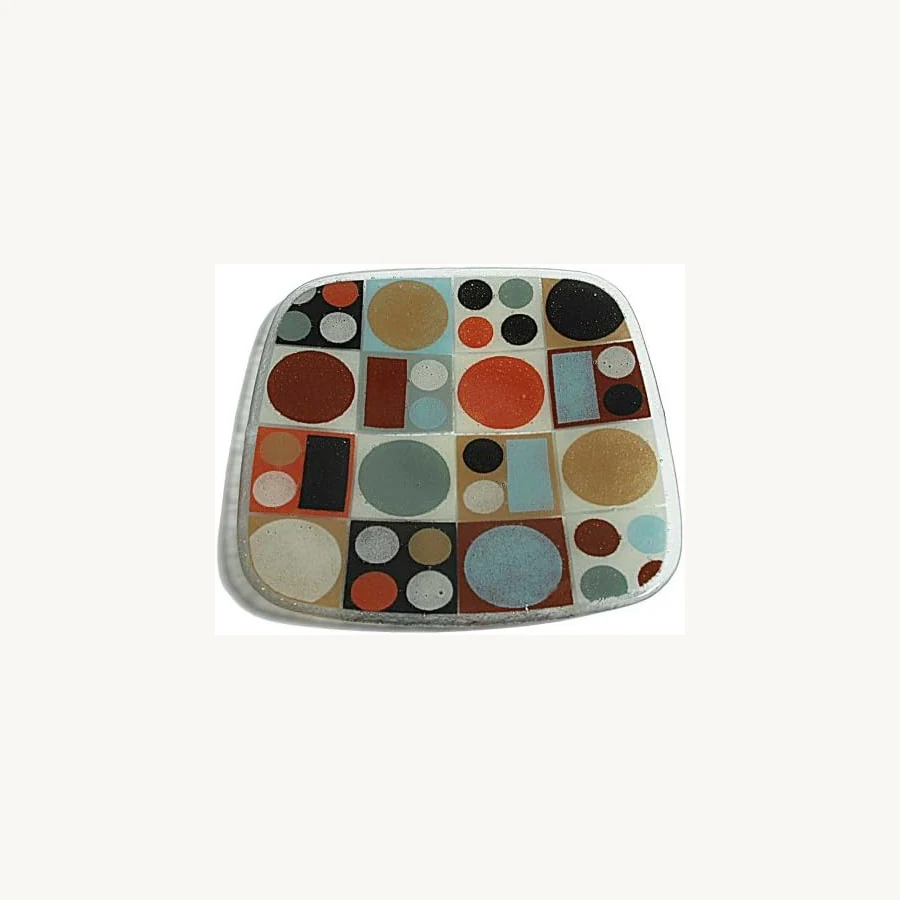
Metro Earth Plate 12"
Amazon's top-listed Peggy Karr square plate with layered earth-tone glass bands collectors display year-round.
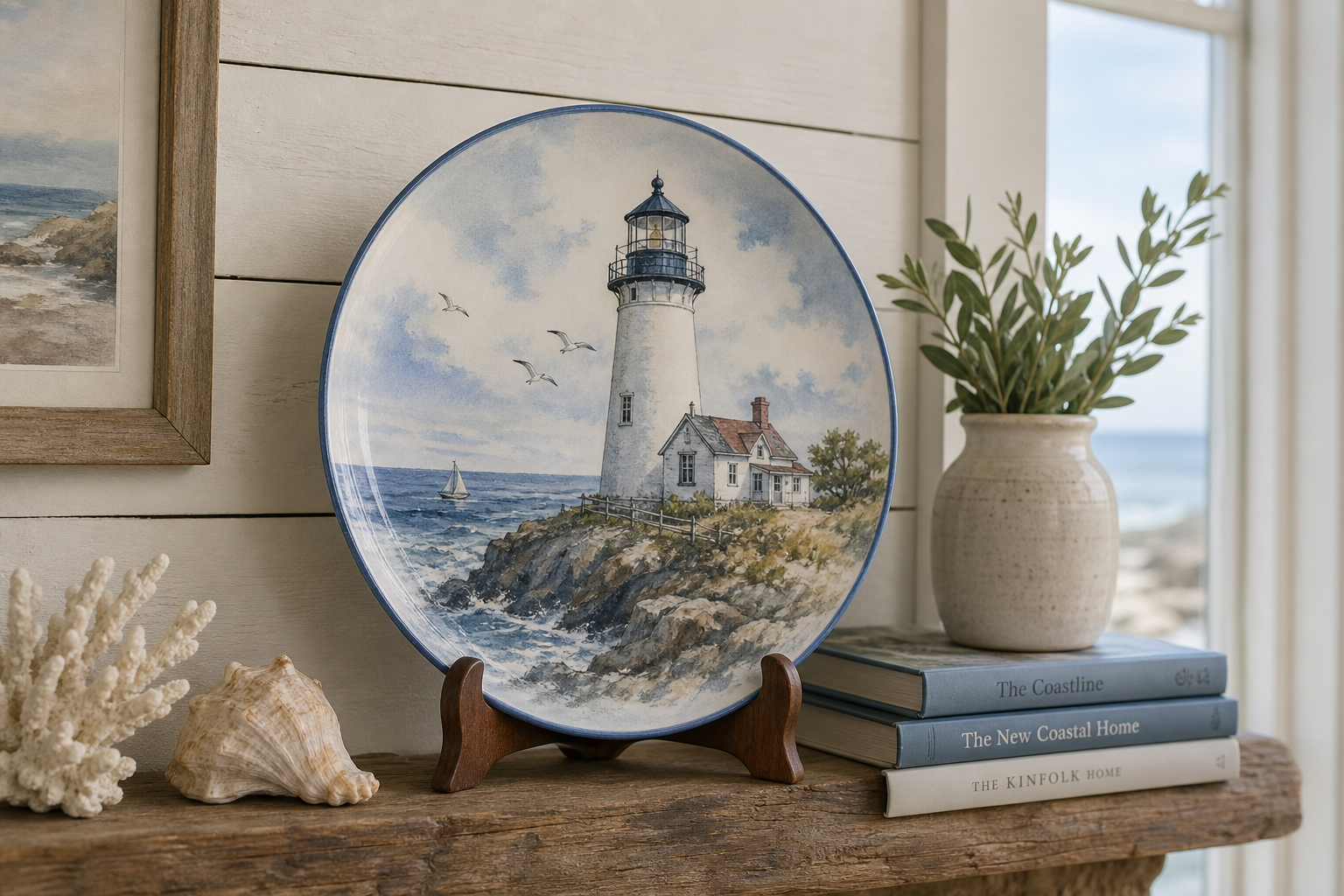
Check PricePeggy Karr Plates are collectible fused art glass serving pieces handmade by artist Peggy Karr and her New Jersey company. Colored glass layers fuse at high heat into vivid scenes—lighthouses, sunflowers, tropical birds—that collectors hunt decades after production ended.
Unlike mass-produced dinnerware, each plate carries hand-applied detail, a scripted signature on the back, and the slight texture that only kiln-fired glass achieves. That combination keeps secondary-market demand alive among display collectors and hosts who still serve from art they love.
Collector trusted
Layers glow in light
Topics
From fused glass technique to signature marks and resale value—everything a Peggy Karr buyer needs before bidding.
How layers fuse in the kiln and what texture authentic pieces show.
Read guide →Scripted backs, stickers and signs of genuine studio production.
Verify authenticity →Coastal beacons remain the most recognized Peggy Karr motif.
See patterns →Condition grades, rarity cues and what plates fetch today.
Check values →What buyers say about color, weight and long-term display.
Read reviews →Compare current Peggy Karr glass plates across online sellers.
Browse listings →Best Sellers
Four Peggy Karr listings collectors compare before estate sales and online auctions—each with a direct price check.
Amazon's top-listed Peggy Karr square plate with layered earth-tone glass bands collectors display year-round.
Check Price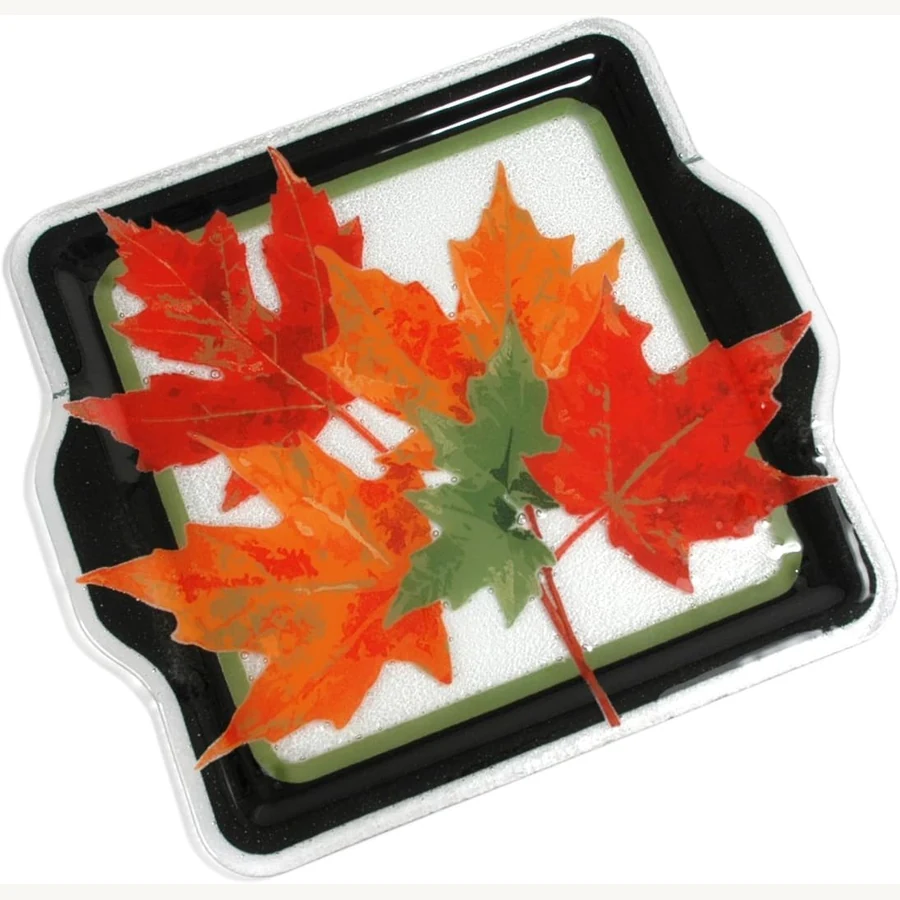
The 18-inch autumn maple tray remains one of the brand's most re-listed serving pieces online.
Check Price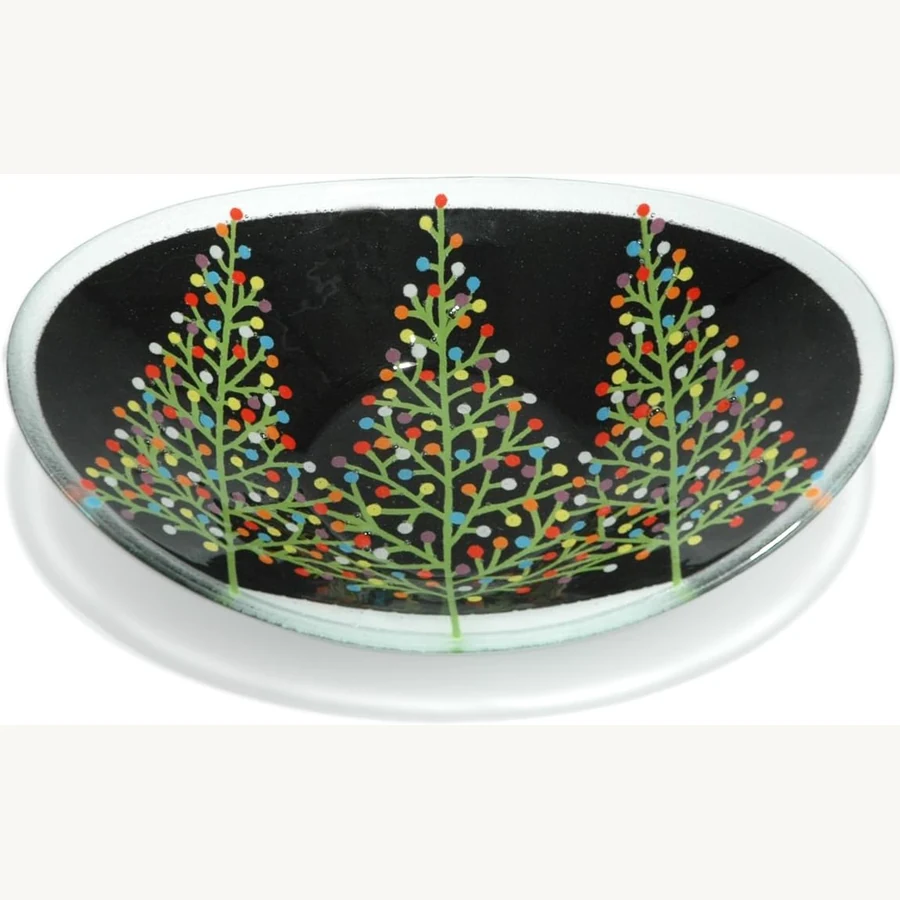
Holiday hosts still reach for this oval evergreen bowl when building Peggy Karr table settings.
Check Price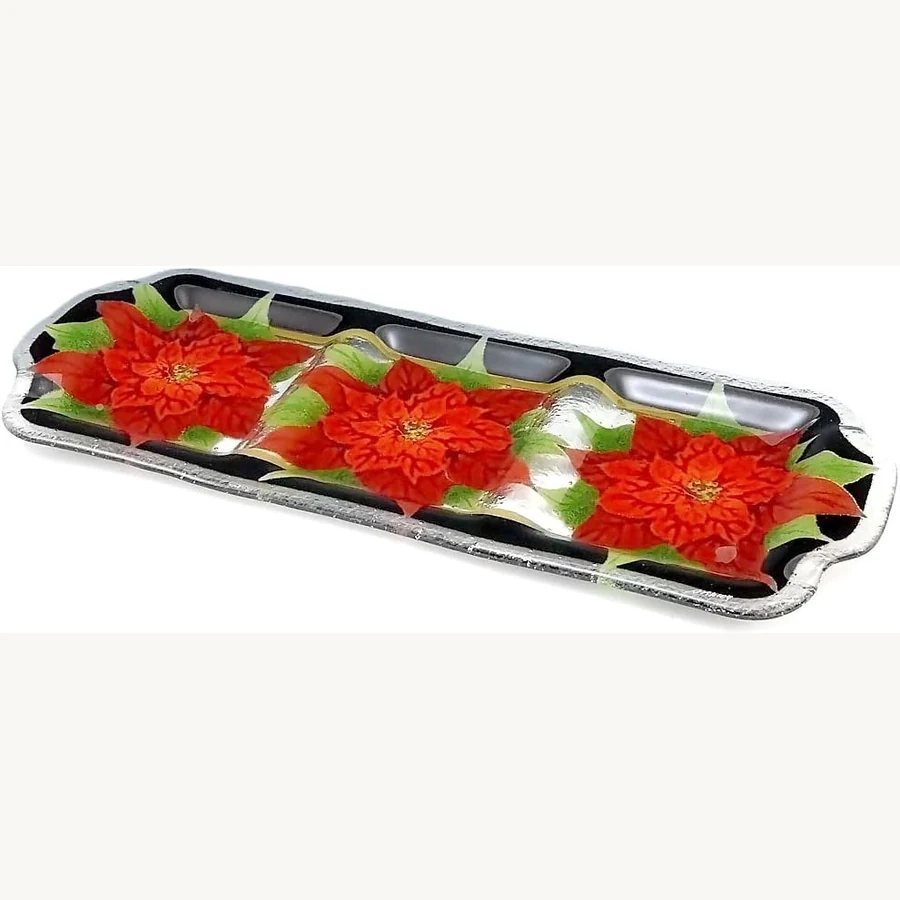
A three-compartment rectangular tray sized for relish spreads and holiday appetizer spreads.
Check Price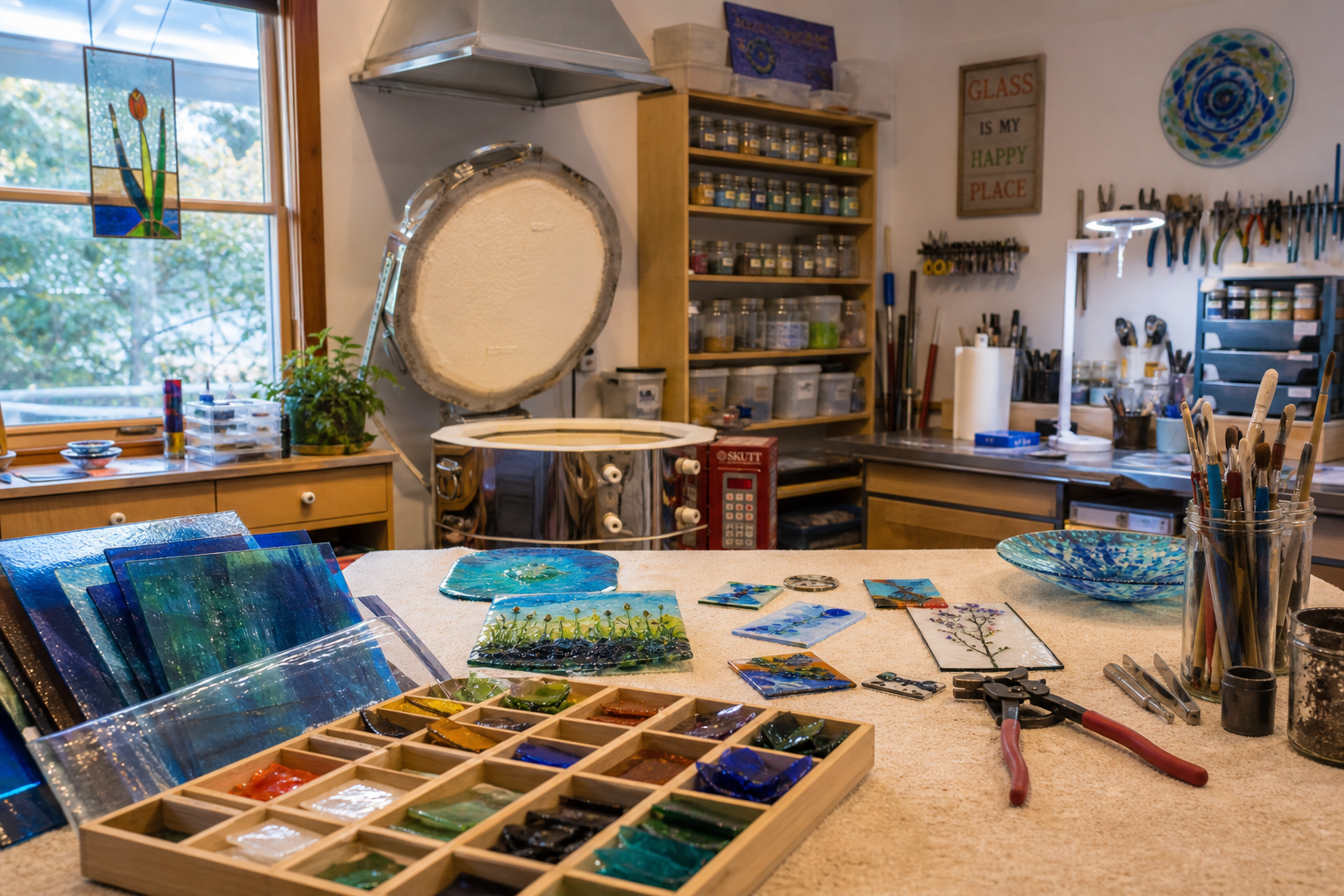
Studio story
Artist Peggy Karr built a New Jersey studio around accessible art glass—plates ordinary households could buy at gift shops, shore boutiques and craft fairs. Her team layered colored sheet glass, frit and stringers, then fired pieces until the scene melted into a single glossy surface.
Production spanned hundreds of designs: lighthouses, sunflowers, cardinals, tropical parrots and holiday trees. Many runs were open editions, yet certain colorways and retired motifs now trade well above original retail. Collectors prize the hand-signed backs and the weight that signals solid fused glass rather than thin slumped ware.
The company outlasted many studio-glass brands because the plates worked as serving pieces—hosts displayed them between meals, then set them out for cheese, fruit or holiday desserts. That dual role kept cabinets full and word-of-mouth alive long after advertising slowed.
Transparent and opaque glass fuse into depth you cannot paint on ceramics.
Script signatures help date pieces and spot studio originals.
Large rounds fit entertaining—display and use without separate china.
Collector primer
Open any mid-Atlantic estate sale china cabinet and you may spot a Peggy Karr lighthouse catching window light. These plates survived because they were made to be used—not locked behind glass. Hosts set them out for summer cookouts and Christmas desserts, then washed them carefully and returned them to plate stands. That cycle built emotional attachment across generations.
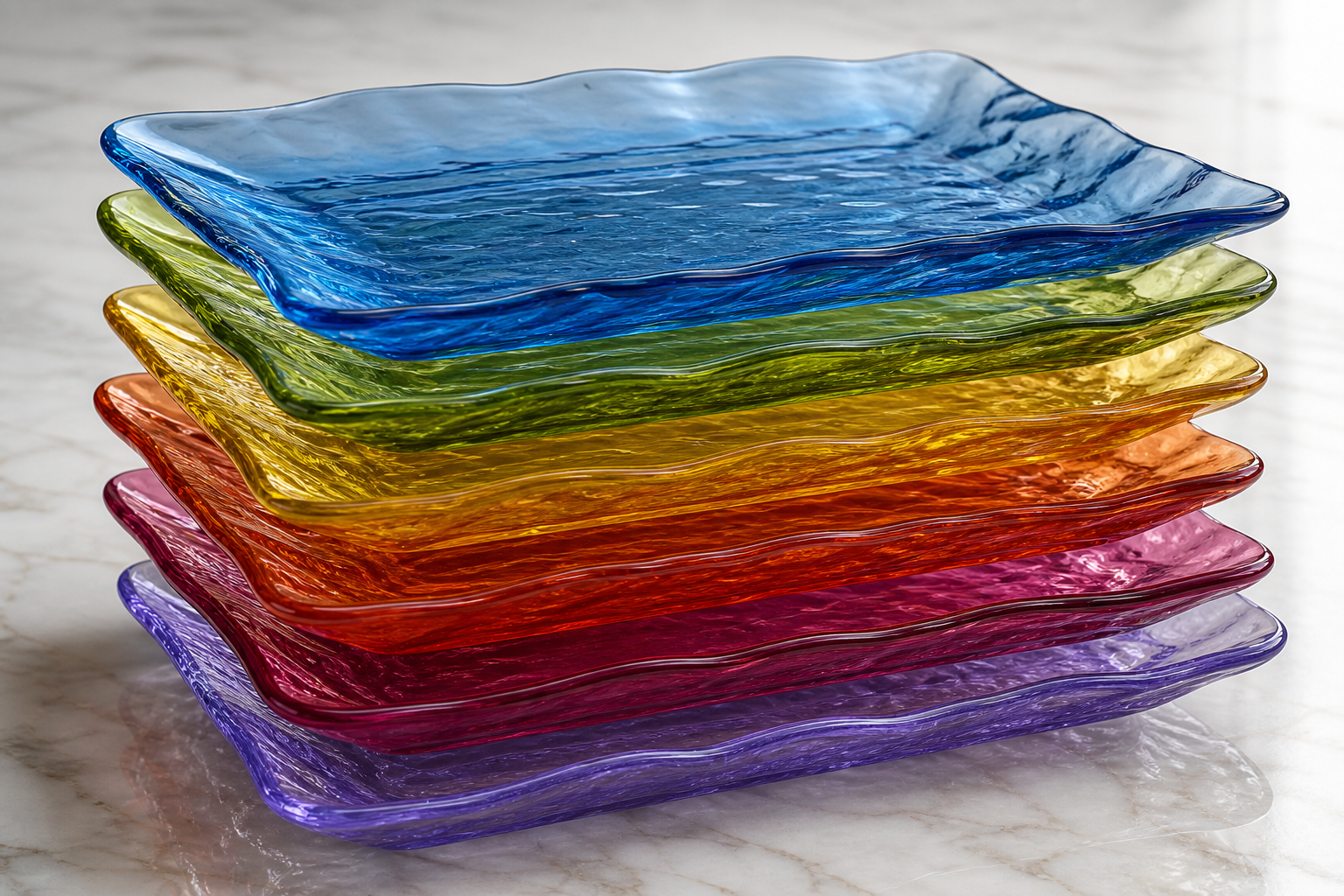
The fused glass technique itself sets Karr apart from printed ceramics. Artists stack colored glass, sometimes sprinkle fine frit for texture, then fire until layers bond. Light passes through transparent areas and reflects off opaque whites, so a sunflower petal or ocean wave shifts tone as you walk past the shelf. Reproduction prints cannot mimic that depth, which is why informed collectors run a finger along the surface checking for true glass.
Condition drives value more than pattern alone. Chips on the rim, scratches from metal utensils and faded signatures all matter. Our value guide walks through grading. Before you buy, study signature marks so you recognize studio script versus aftermarket stickers. Lighthouse specialists should read the dedicated lighthouse page for variant stripes and tower shapes.
Secondary markets stay active on auction sites, estate platforms and third-party online sellers. Prices swing with pattern rarity and whether original gift-box packaging survives. New collectors often start with sunflower or coastal scenes—widely produced, easy to find, forgiving if you overpay while learning. Veteran hunters chase retired colorways and pristine backs where Peggy Karr's script remains crisp. Read collector reviews for shipping and packing notes before you bid.
Understanding how fused glass works helps you explain the craft to guests and spot repairs. Cold-worked grinding on a rim or cloudy devitrification near a chip can signal damage hidden in listing photos. Carry a small LED light when shopping in person—the glass should glow evenly without dull patches unless the design intentionally uses opaque stringers.
Display a signed Peggy Karr plate where afternoon sun hits the rim—you will see why collectors keep buying decades later.
Shop Peggy Karr platesCollector values
Four habits separate plates that appreciate from pieces that stall in resale—none require a conservator on speed dial.
Skip the dishwasher—heat and detergent dull fused surfaces over time.
Let hot food rest before setting it on cold glass.
Plate stands prevent rim chips in crowded china cabinets.
Photograph signatures before selling or insuring a collection.
From collectors
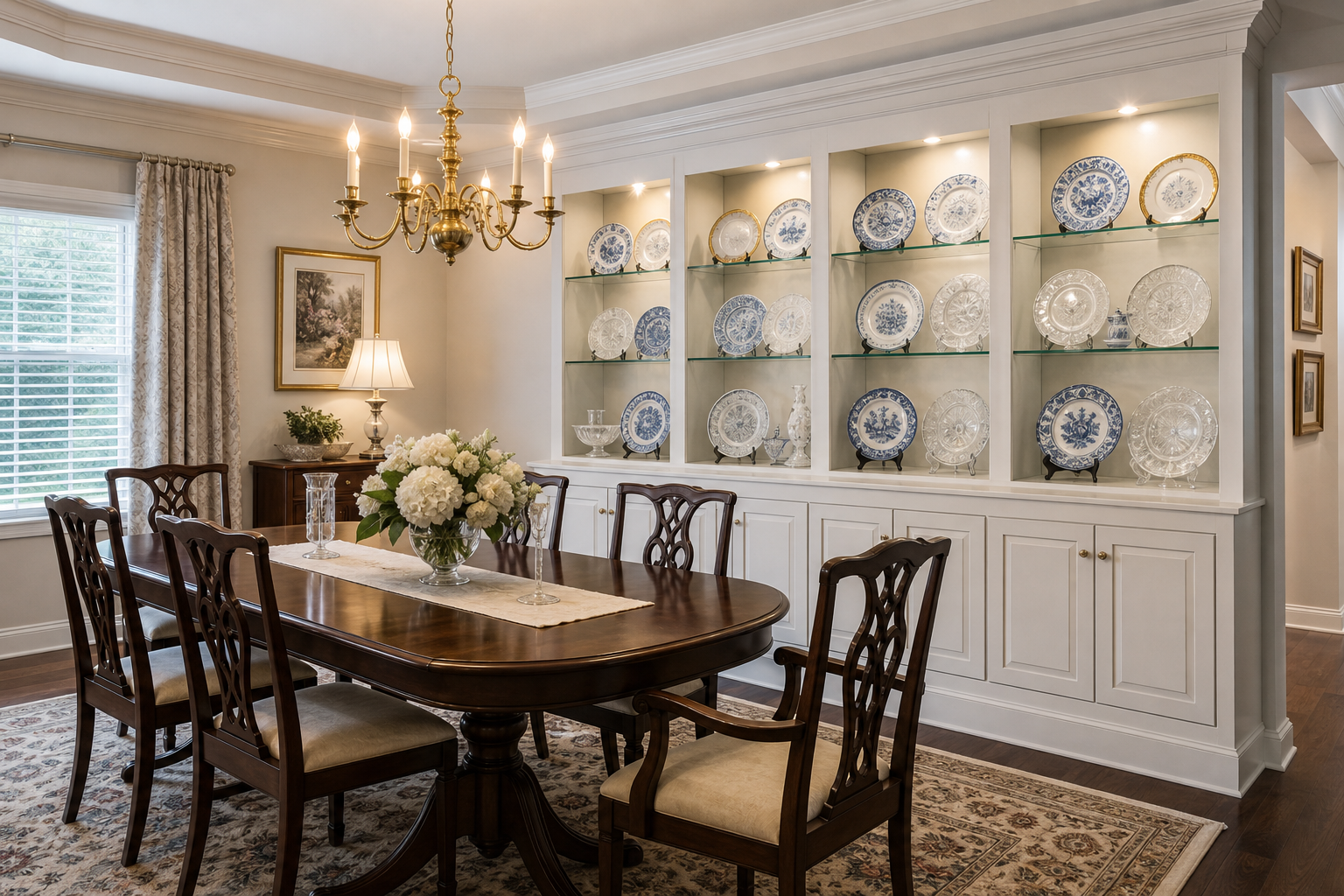
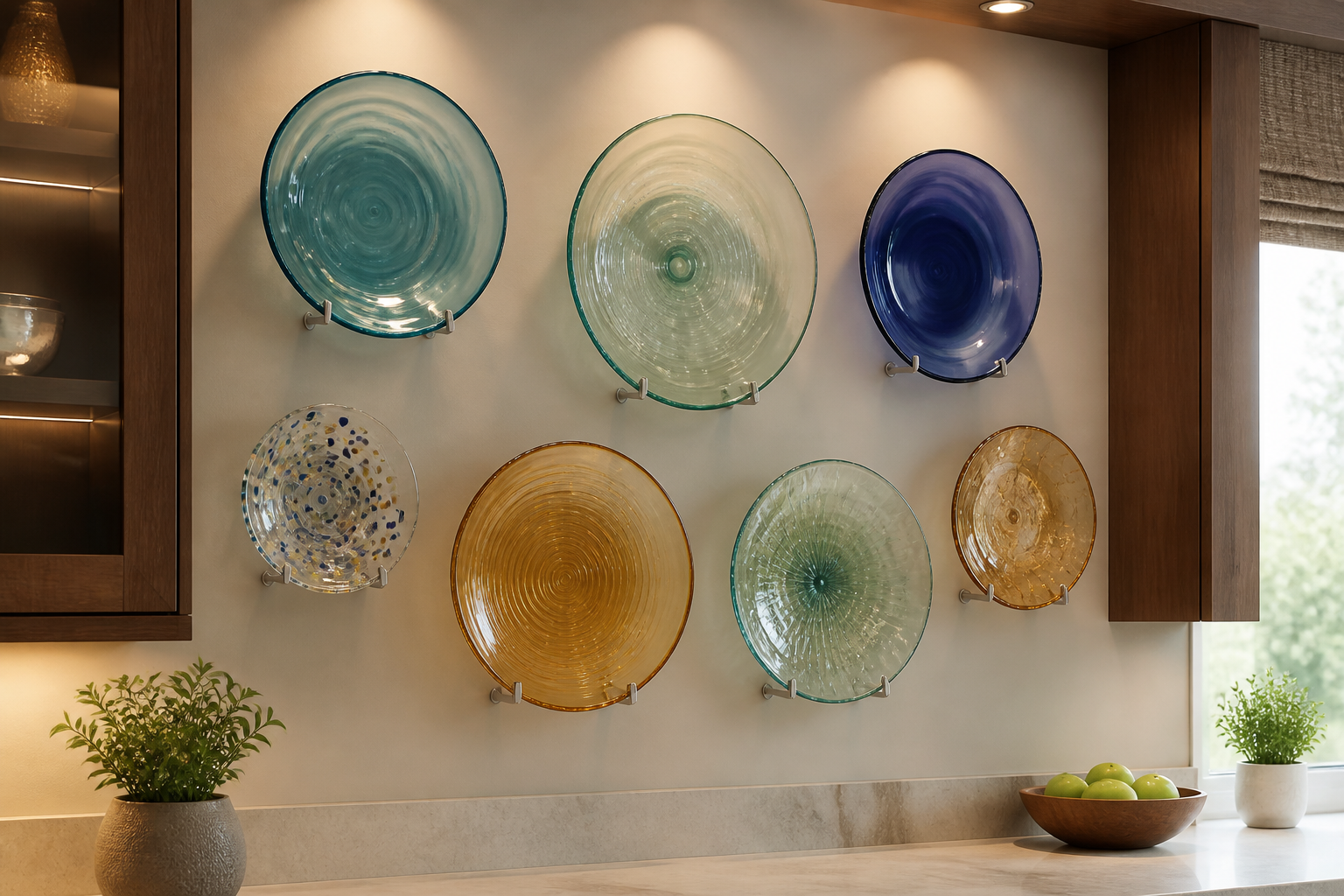
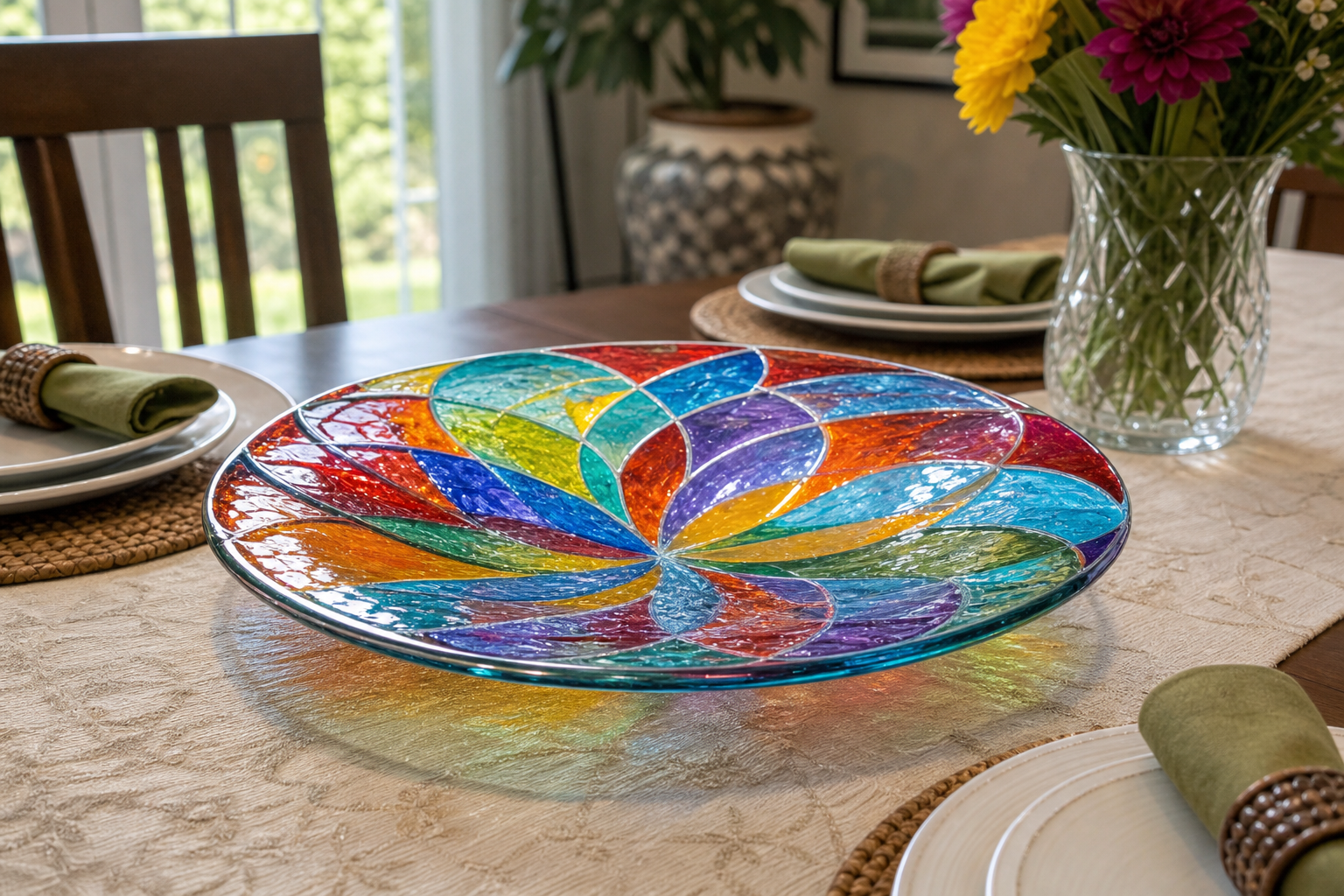
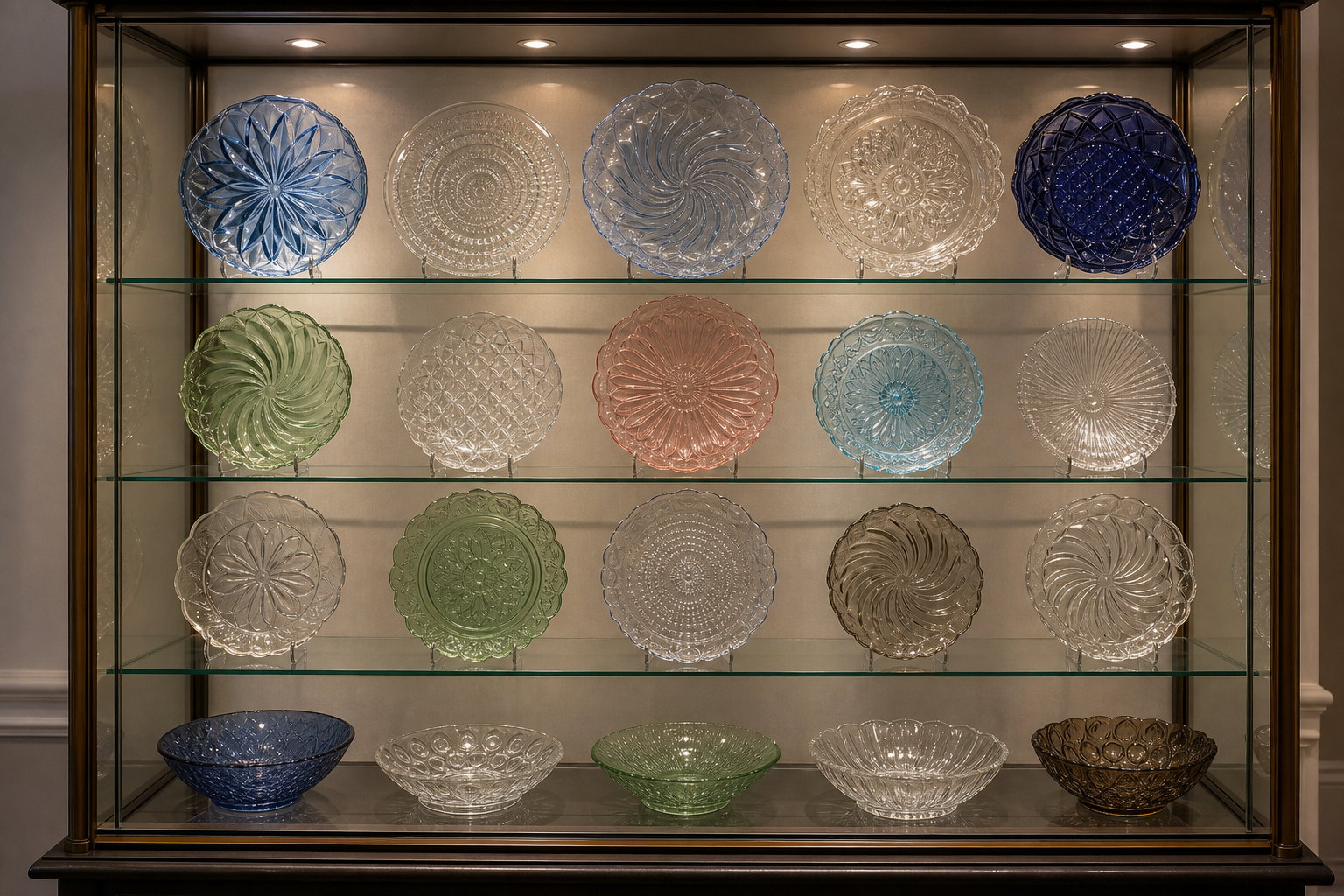
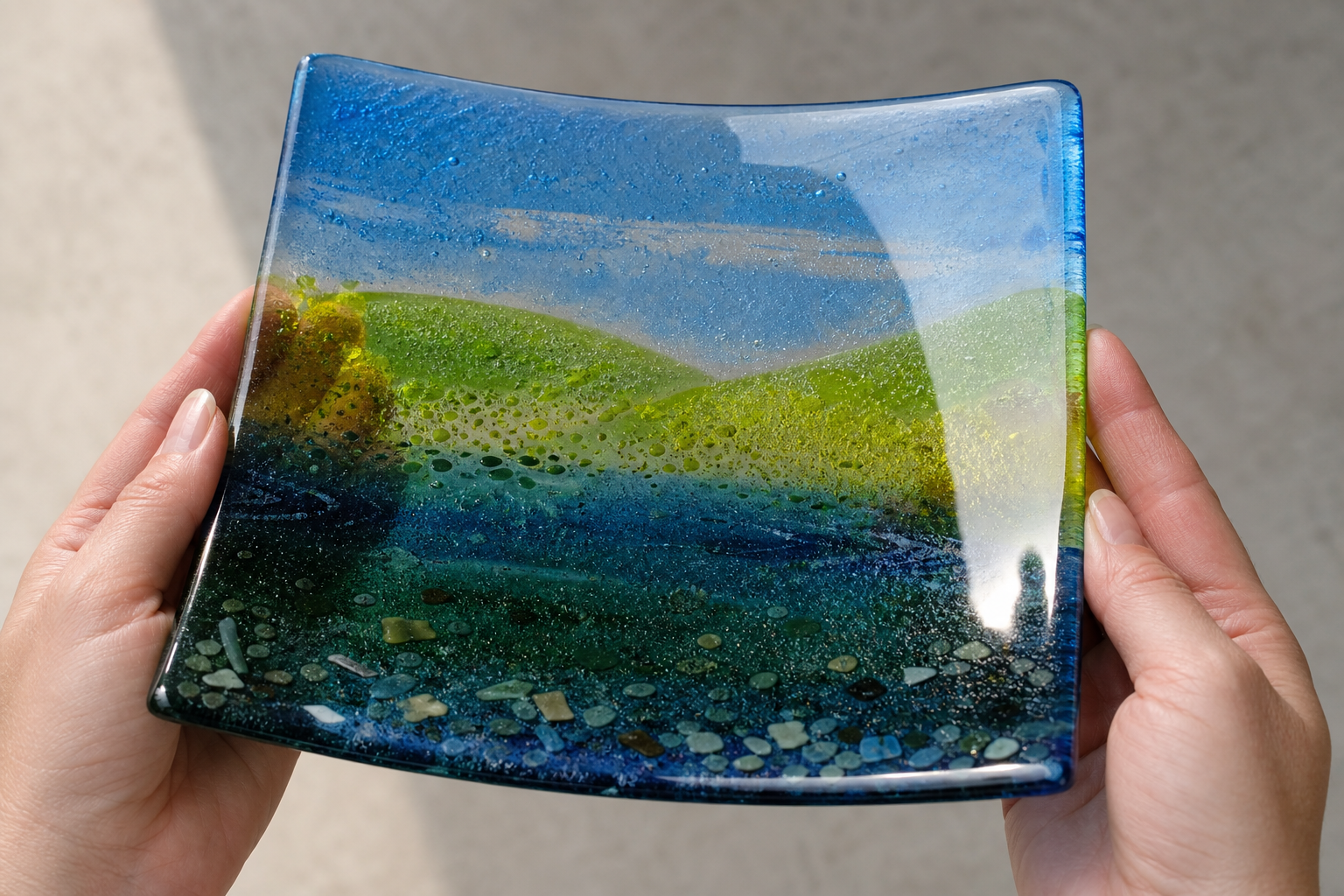
Real displays from Peggy Karr owners—kitchen nooks, shore-house walls and holiday sideboards.
By the numbers
Reviews
Care guide
Peggy Karr plates tolerate gentle serving use when you respect glass basics. Always hand-wash with mild soap and a soft sponge—never abrasive pads that scour the glossy surface. Rinse thoroughly and air-dry on a towel so water spots do not etch over years of storage.
Temperature swings cause stress fractures. Do not move a plate straight from a cold cabinet to a hot oven or microwave. Let food cool slightly before contact, and never use pieces with visible rim chips for serving moist foods where bacteria could hide.
Display matters for long-term value. UV light can fade some red and orange stringers over decades, so rotate plates away from south-facing windows if you collect for investment. Felt-lined stands support the center without pressure points. When stacking for storage, interleave soft cloth—never bare glass on glass.
If a plate arrives with damage, document it immediately for seller claims. Minor scratches sometimes polish out with cerium oxide kits marketed to glass artists, but rim chips are permanent value hits. Consult our value guide before attempting repairs that might lower resale appeal.
Handcrafted fused art glass serving plates from Peggy Karr's New Jersey studio—layered colored glass fired into scenic designs.
Most are intended for serving. Confirm food-safe status on your specific piece via studio labels or seller documentation.
Check for Peggy Karr's scripted signature, fused glass weight and texture, and original stickers. See our signature guide.
Lighthouses, sunflowers, tropical birds and retired seasonal runs lead demand. Browse our lighthouse guide.
Yes for gentle serving—hand-wash, avoid heat shock and metal utensils that scratch the surface.
Find a signed Peggy Karr plate, set it where light hits the rim, and see why collectors never quite stop at one.