
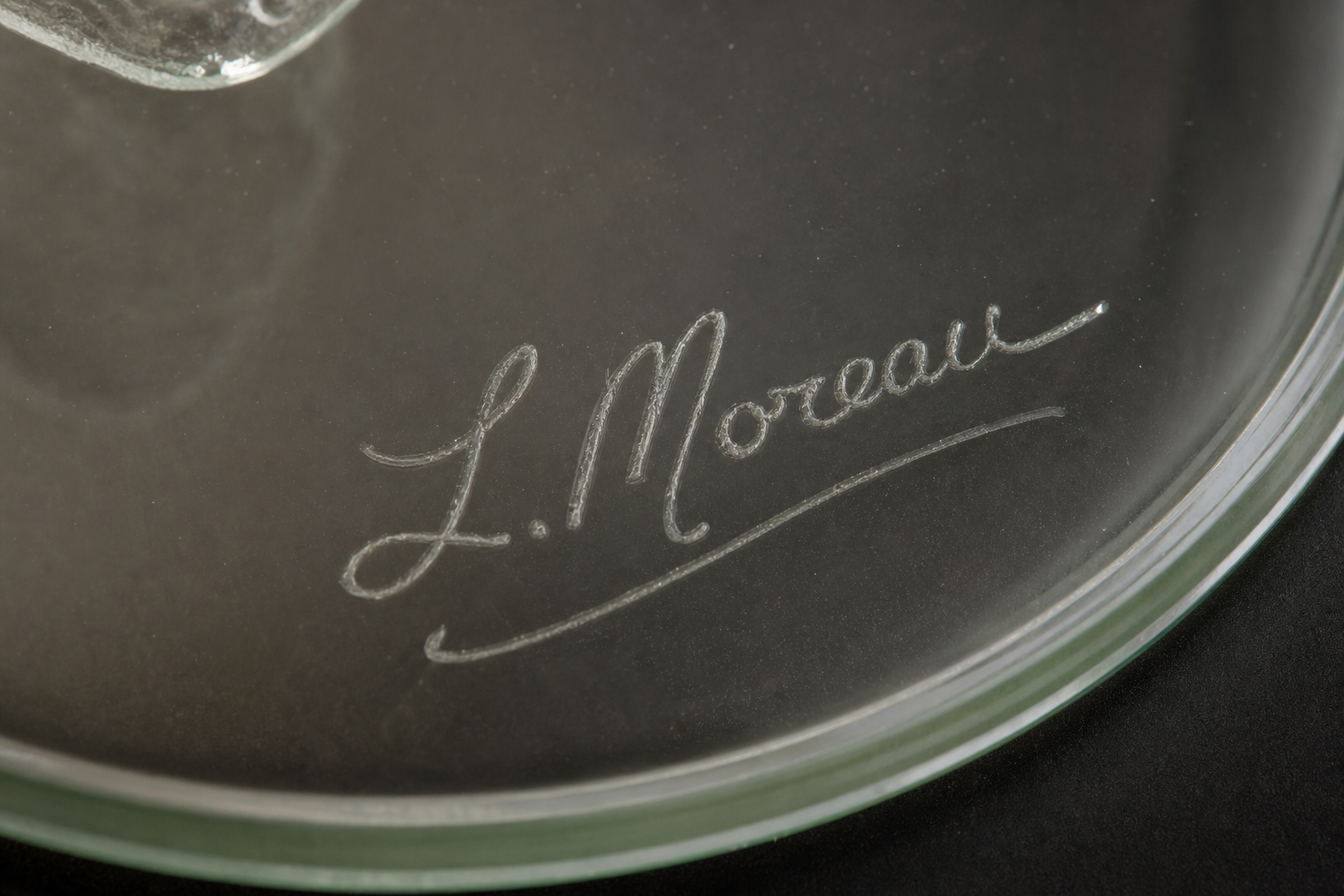
Reading the signature
A genuine Peggy Karr signature on the back is your first line of defense against mislabeled imports. Script style, placement and companion stickers changed over the years—but consistent tells separate studio originals from wishful listings.
Related picks
Plates to compare
Listings collectors cross-shop when building a Peggy Karr set.
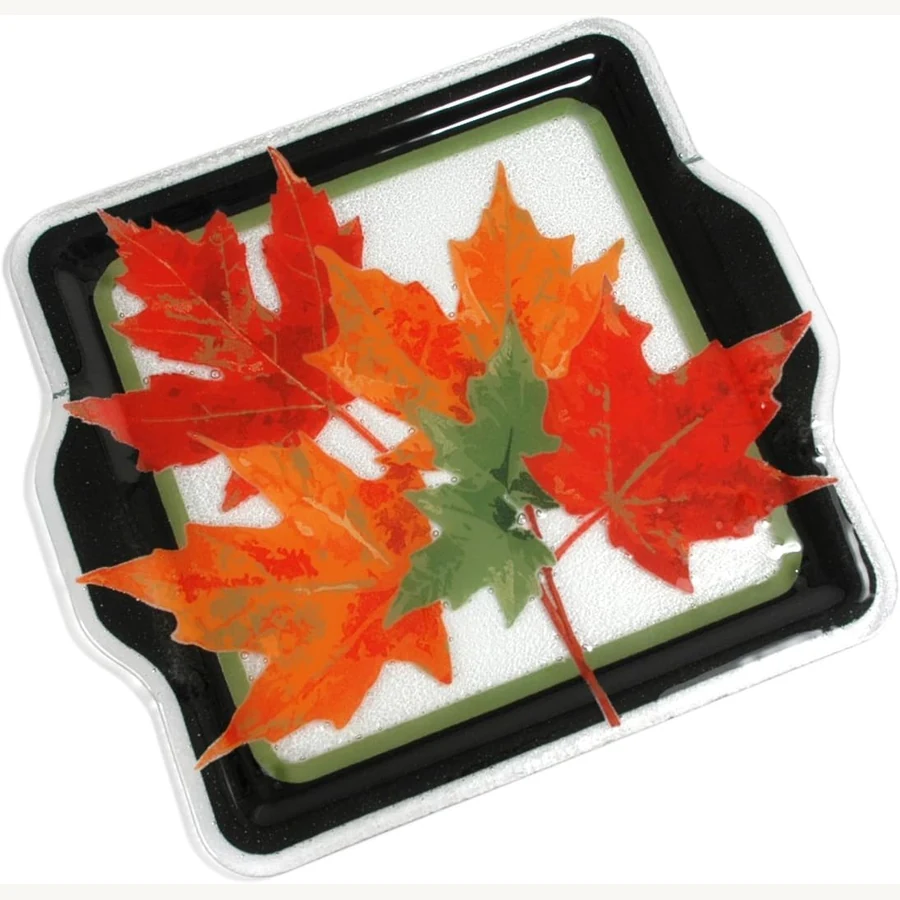
Maple Leaves Tray 18"
Autumn maple foliage on an 18-inch square tray ranks among Peggy Karr's most recognizable seasonal designs.
Check Price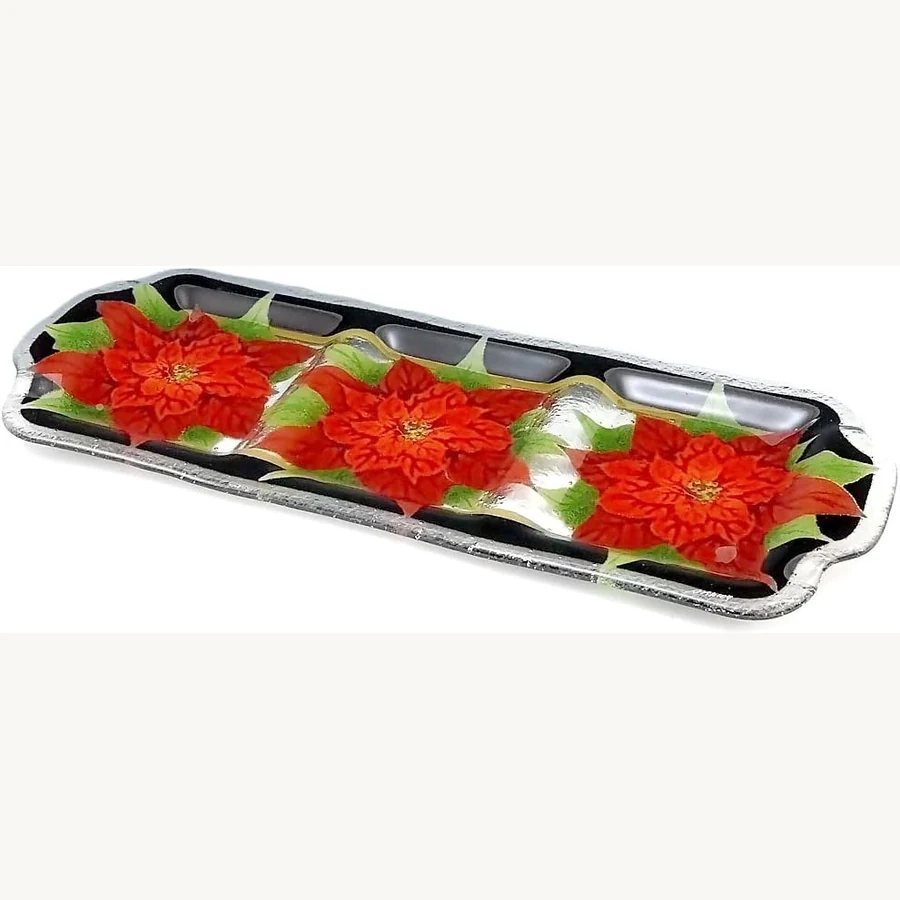
Poinsettia Divided Tray 20"
Red poinsettia blooms on a divided 20-inch tray anchor many collectors' holiday serving sets.
Check Price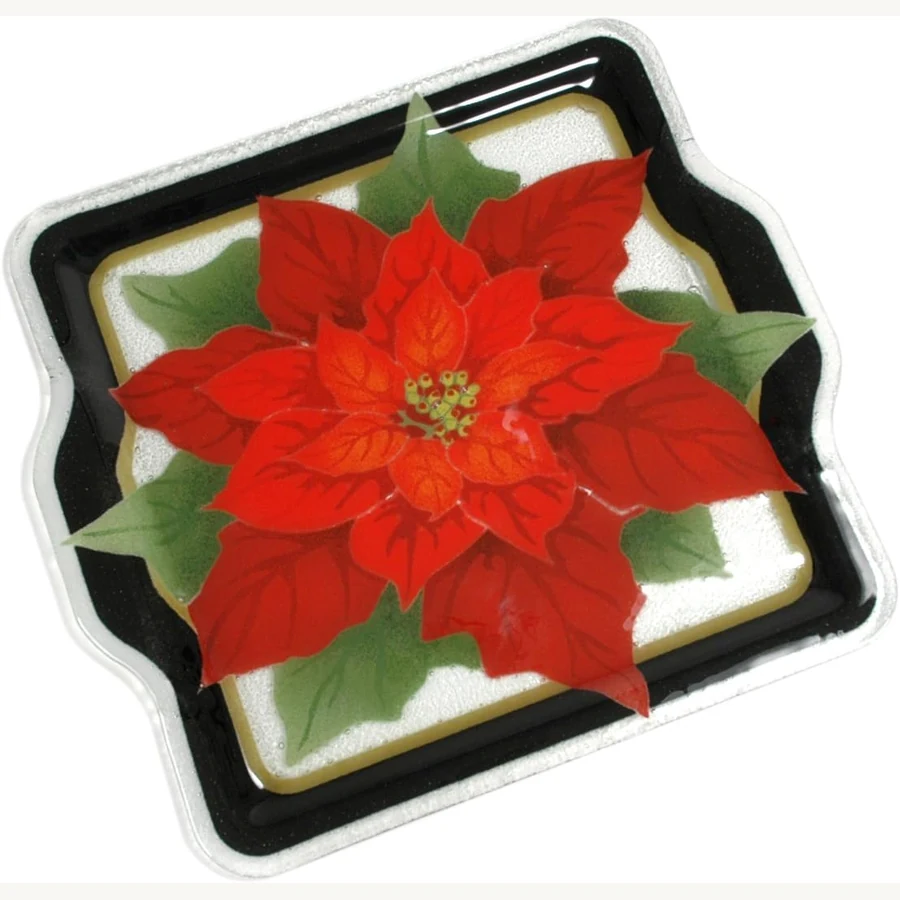
Poinsettia Square Tray 18"
Square poinsettia styling on 18 inches gives hosts a single-scene centerpiece without compartments.
Check Price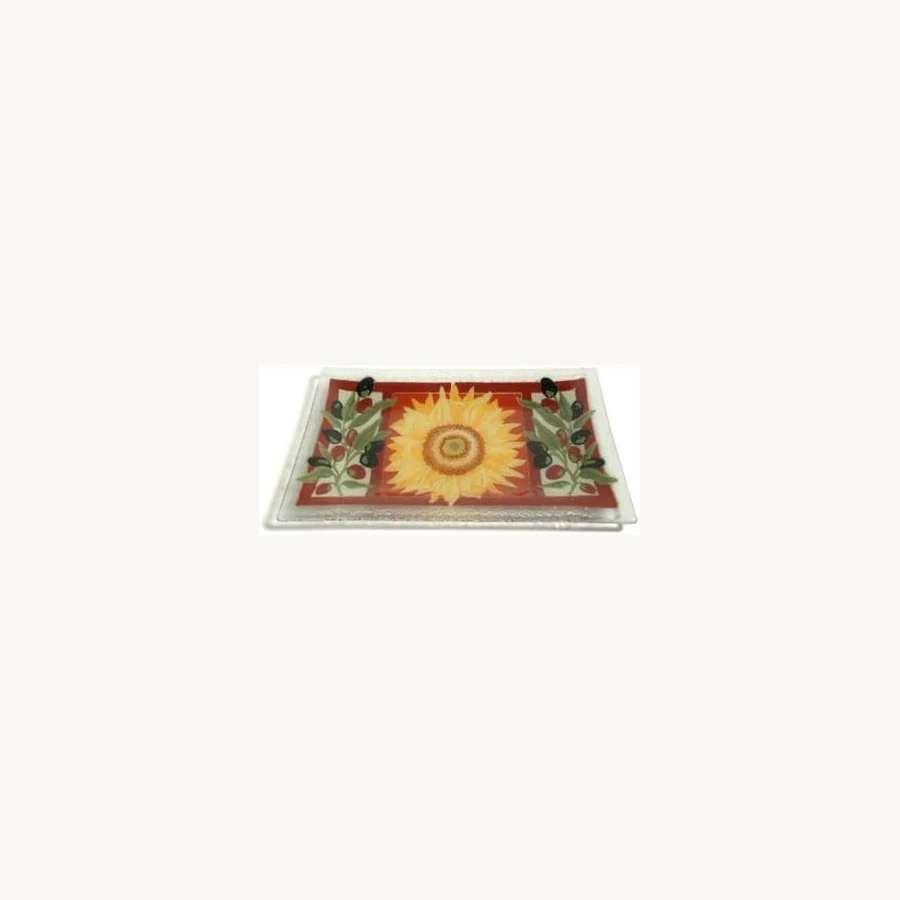
Tuscany Tray 14"
Tuscany harvest sunflowers and olives on 14 inches define the studio's Mediterranean signature line.
Check Price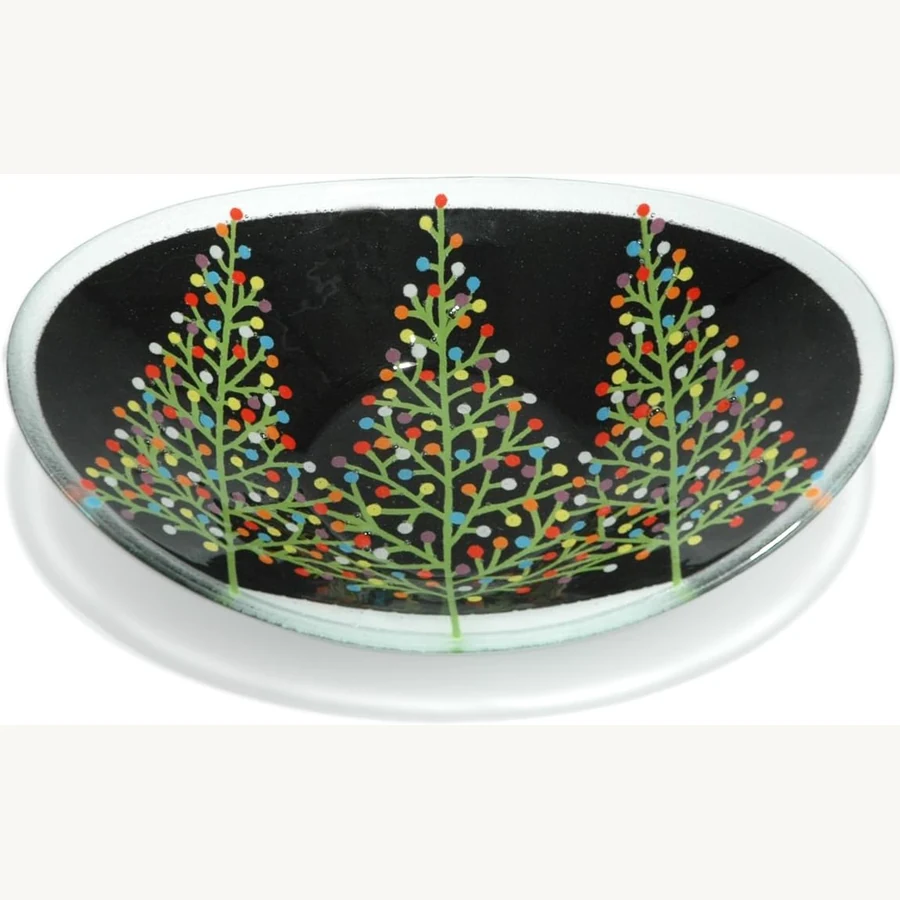
Tannenbaum Bowl 16"
The Tannenbaum evergreen bowl is a Peggy Karr holiday staple still stocked by third-party sellers.
Check PriceScript style clues
Most production plates carry Peggy Karr in flowing script applied with glass-compatible paint or fired enamel. Letters should feel integrated with the glass—not a sticker slapped over a blank back. Under magnification, edges may show slight kiln heat softening.
Early runs sometimes used block lettering alongside script. Later pieces may add pattern names or size codes. Absence of any mark does not automatically mean fake—some gift-shop seconds omitted signatures—but it should discount price.
Compare script on two known authentic pieces if you can. Consistent stroke weight and letter spacing suggest studio tooling or trained painters rather than a single owner signing at home.
Stickers and labels
Many plates left the studio with foil or paper labels naming Peggy Karr Glass or the New Jersey location. Labels often survive partially torn—complete stickers on vintage stock may indicate cabinet storage rather than heavy use.
Replacement stickers appear on legitimate pieces after cleaning removed originals. Context matters: a crisp modern label on heavily scratched glass should raise questions. Photograph labels before removing them for display.
Retail hang tags and box inserts are bonus provenance. Collectors paying premium for mint in box examples expect matching pattern names on packaging and back marks.
Spotting red flags
Imports sometimes copy coastal imagery but lack weight and signature depth. If the back is perfectly bare smooth glass and the front looks like a single printed sheet, verify before paying Karr prices.
Watch for signatures painted on chipped backs—repair artists occasionally add marks to increase appeal. Feel for raised edges that do not match surrounding glass texture.
Online listings reuse stock photos. Insist on current images of the exact back you will receive, including any wear near the foot ring where plates rest on stands.
Dating your piece
Color palettes shifted with design trends—1990s tropical birds differ from 2000s coastal minimalism. Signature ink color (gold, black, white) can hint at era when combined with catalog research.
Estate sale provenance helps. Plates bought direct from shore boutiques often include receipt notes or gift inscriptions on box lids—useful when pattern names were retired.
Document your piece with photos and measurements. Future buyers trust sellers who show script, labels and rim condition in one listing gallery.
Authentication workflow
Step one: confirm fused glass weight and texture on the front. Step two: photograph the back under raking light. Step three: compare to reference images on our lighthouse and fused glass pages.
When still uncertain, post images to collector forums—longtime buyers recognize studio quirks quickly. Avoid bidding wars until you are satisfied; authentic Karr plates appear regularly on secondary markets.
For resale, never alter signatures. Clean gently around script; aggressive scrubbing removes paint and hurts value more than light shelf dust.
Insurance and records
High-value collections should log signature photos, purchase dates and condition grades. Our value guide helps estimate replacement cost for homeowner policies.
If a plate lacks signature but shows other studio tells, note that in your inventory—honesty protects reputation when you eventually sell or bequeath pieces.
Regional gift-shop context
Shore boutiques from New Jersey to Maine stocked Peggy Karr alongside local pottery. Signatures on those pieces often match catalog photos from the same year—useful when dating a find from a tagged estate.
Corporate gift programs occasionally commissioned runs with custom back stamps. Those are legitimate studio work even when script differs slightly from retail shelves.
When gifting forward, photograph the signature for the recipient. New owners appreciate provenance notes that explain how to verify authenticity years later.
If you inherit unsigned pieces from a known Karr collector, keep any provenance letters or photos with the plate. Future buyers pay more when story and object travel together—even without a painted signature on glass.
About the author
Elena Marsh is a fused glass collector and editorial guide who has tracked Peggy Karr plates for over fifteen years. She buys at estate sales, documents condition grades, and writes independently—this site is not affiliated with Peggy Karr or her New Jersey company.