
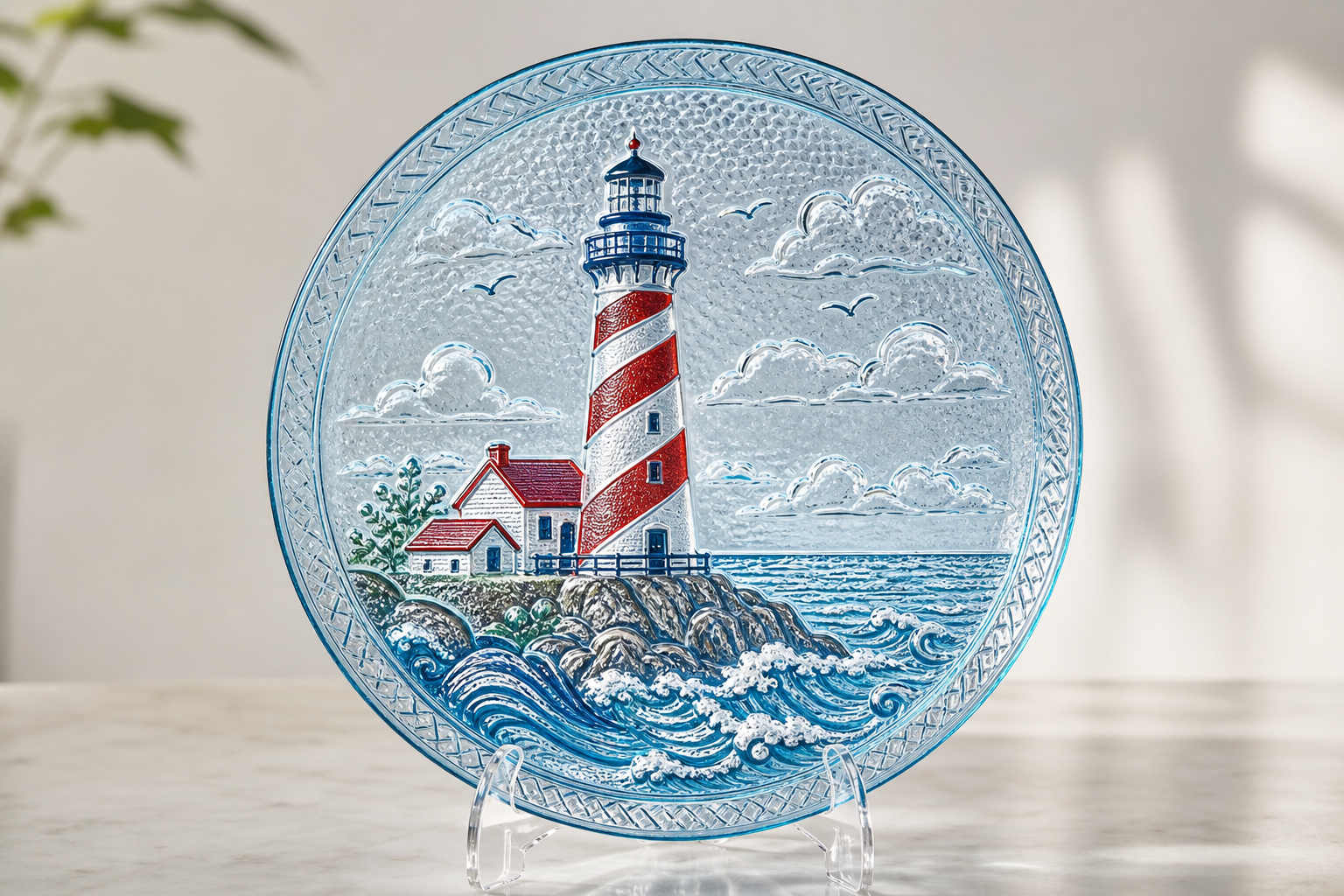
Lighthouse pattern guide
Lighthouse plates are the face of Peggy Karr collecting. Striped towers, rocky shores and golden beams appear in dozens of colorways—some common, some retired favorites that shore-house owners still hunt online.
Related picks
Plates to compare
Listings collectors cross-shop when building a Peggy Karr set.
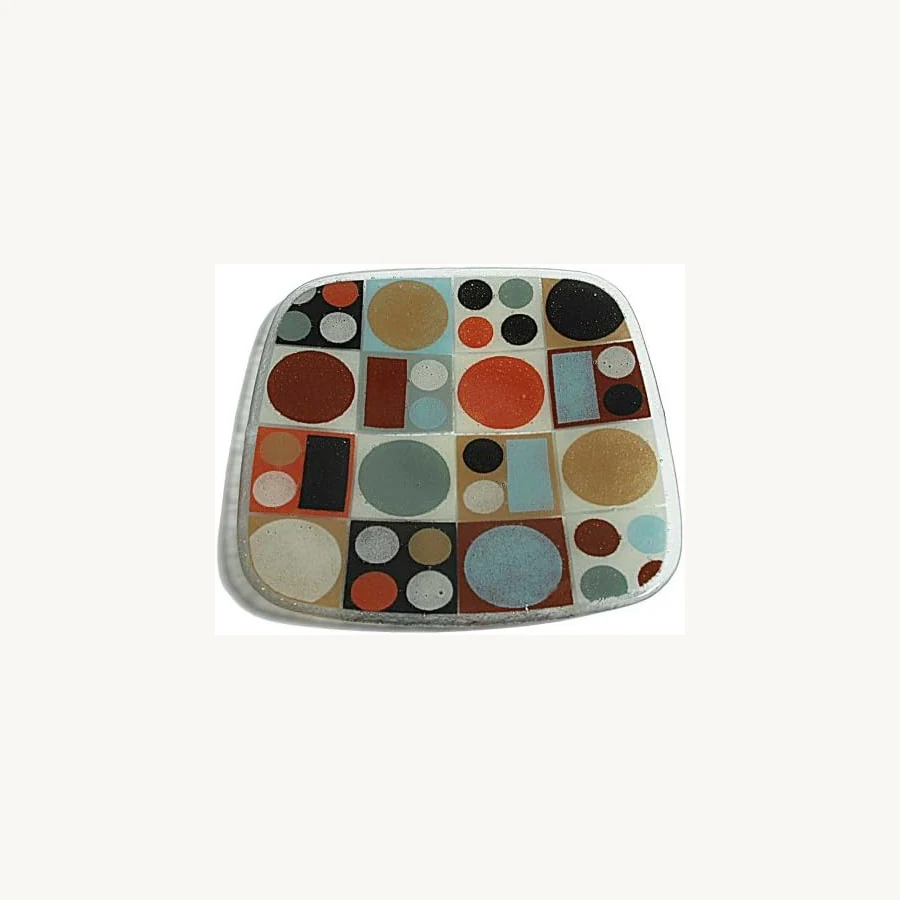
Metro Earth Plate 12"
Earth-tone rings read like shoreline sediment layers—popular in shore-house kitchens beside coastal decor.
Check Price
Tuscany Tray 14"
Sunflower and olive Tuscany colors suit beach-house dining rooms that mix coastal and cottage style.
Check Price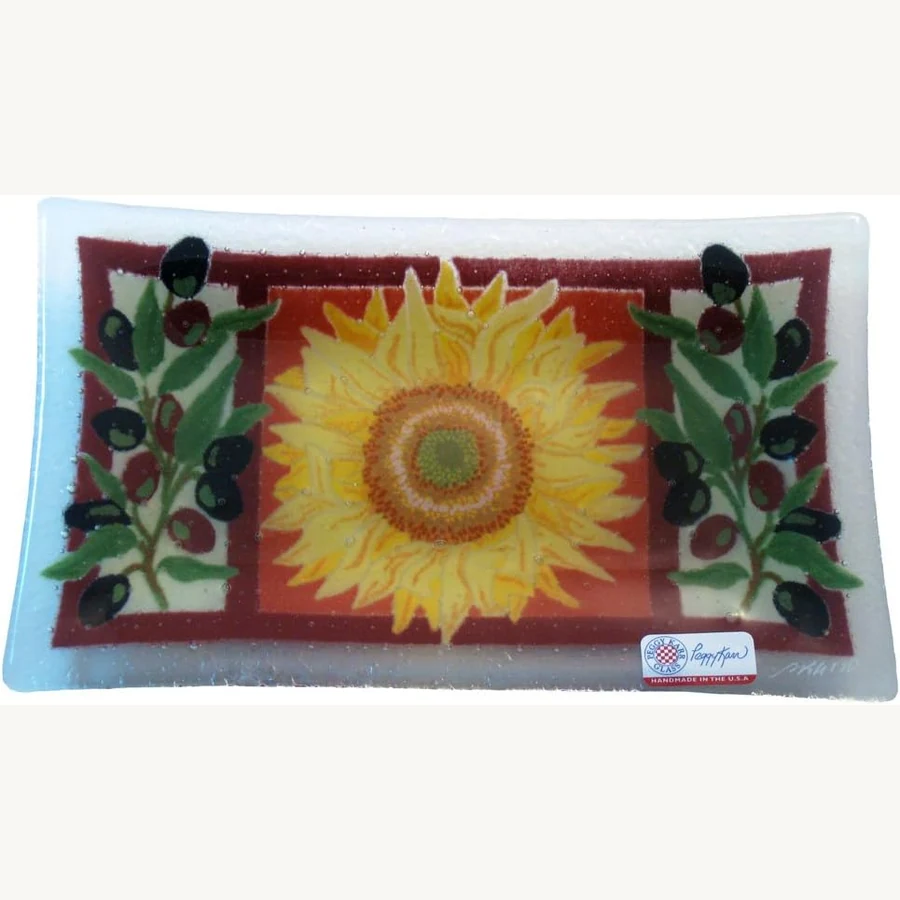
Tuscany Tray 10"
The compact 10-inch Tuscany tray fits cottage shelves and secondary-market coastal gift bundles.
Check Price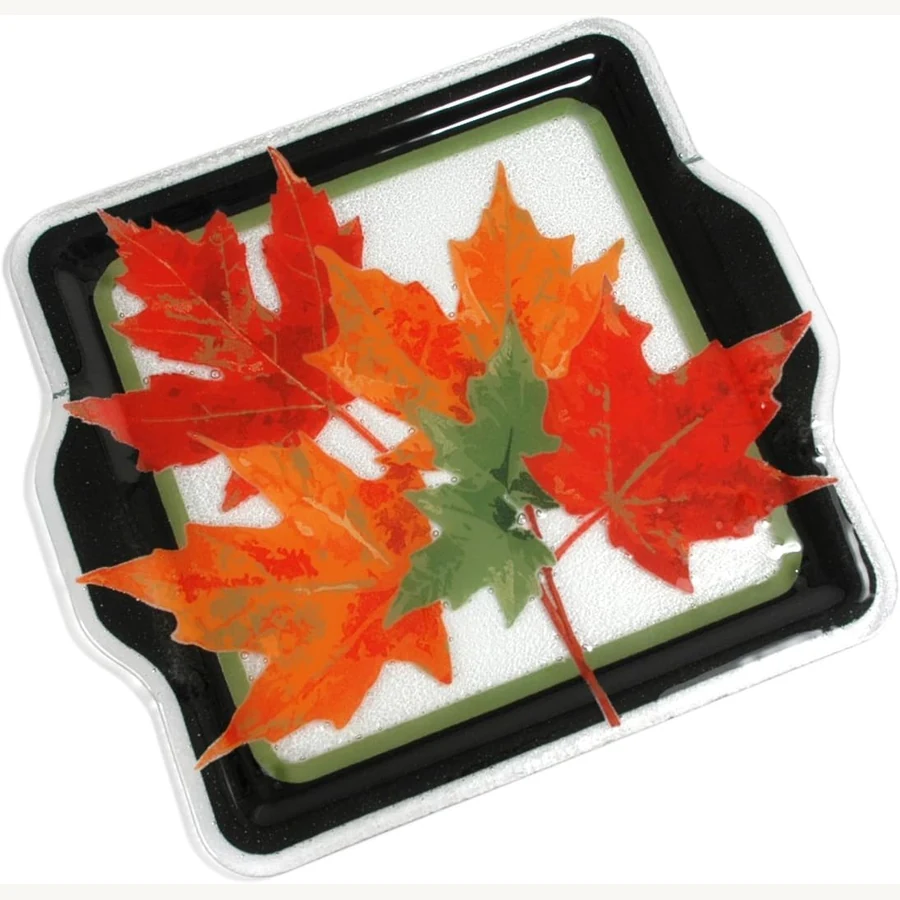
Maple Leaves Tray 18"
Maple leaves add New England coastal-cottage warmth alongside striped lighthouse plates in many cabinets.
Check Price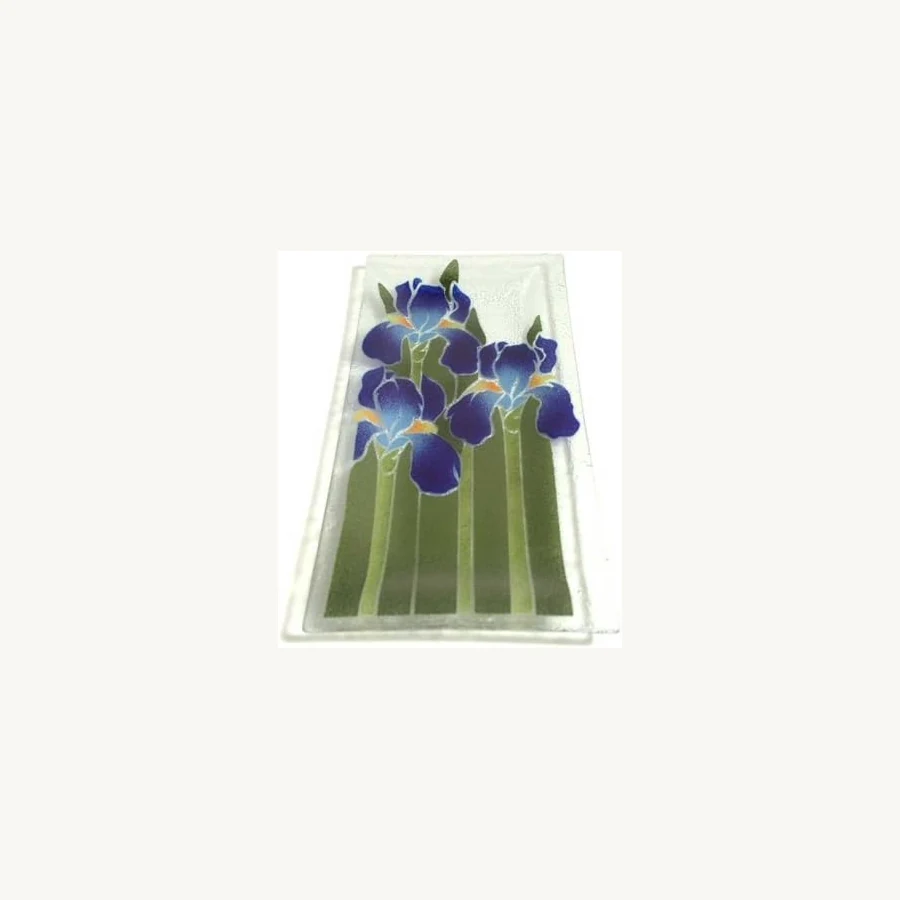
Iris Serving Tray 14"
Garden iris tones complement shore-house florals when collectors pair nature scenes with nautical plates.
Check Price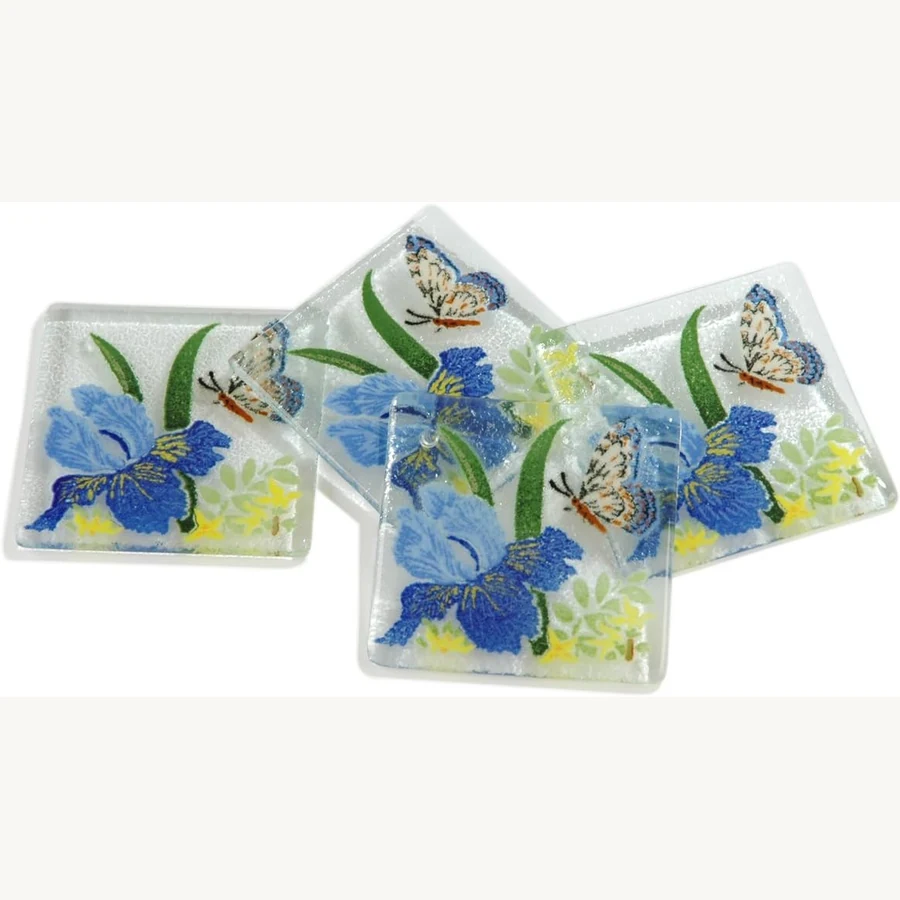
Forsythia Coasters Set of 4
Forsythia coaster sets make practical shore-house gifts that echo Peggy Karr's floral glass palette.
Check Price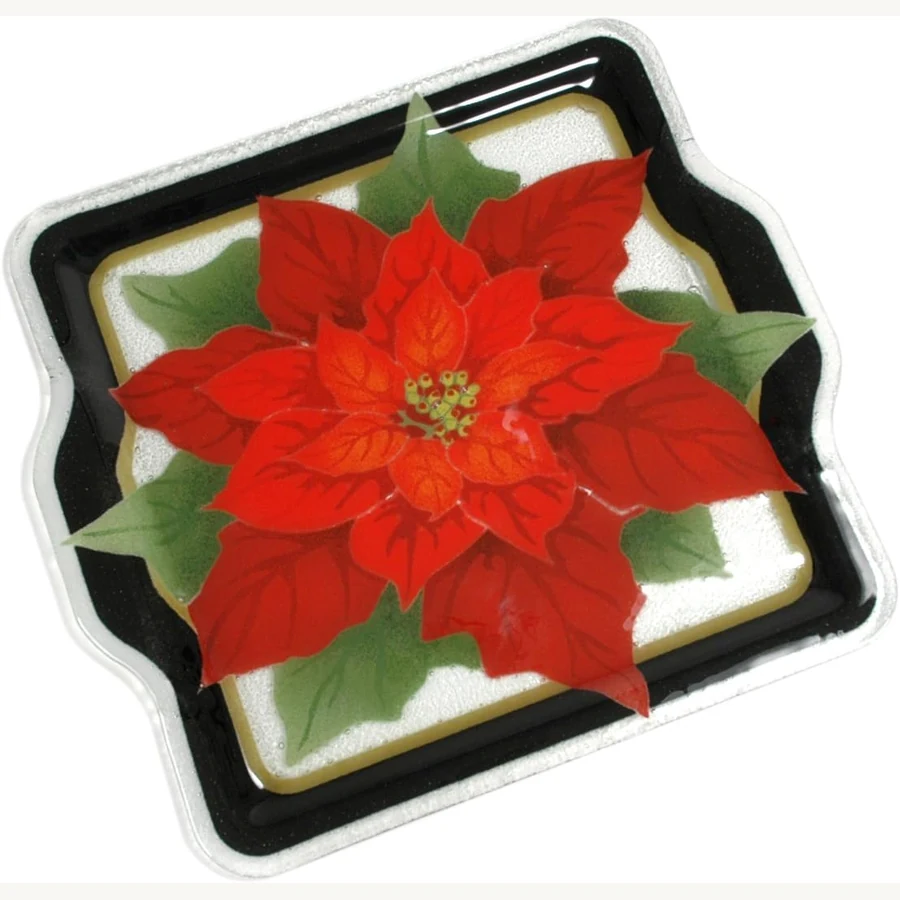
Poinsettia Square Tray 18"
Square poinsettia glass doubles as winter coastal-rental decor when lighthouse pieces are out of stock.
Check PriceWhy lighthouses lead
Coastal imagery matched Peggy Karr's East Coast gift-shop market. Vacationers wanted souvenirs that felt local yet useful— a serving plate beat a plastic magnet. Lighthouses delivered instant shore-house identity.
Striped towers offer strong graphic contrast in fused glass: opaque whites against saturated blues read clearly from across a dining room. Artists could vary sky gradients and rock textures without redesigning the whole composition.
Decades later, lighthouse plates still headline estate listings because baby boomers collected them in volume. Not every example is rare—but the best color combinations and crisp signatures move quickly.
Variant features
Look for beacon light glow achieved with yellow-orange frit behind transparent clear. Some versions add sailboats, gulls or lobster trap motifs along the rim. Minor scene differences can mean separate catalog numbers.
Sky color separates eras—deep navy versus pale aqua. Rocky foregrounds may use coarse black frit; smoother pebble beaches suggest different production batches. Photograph your variant for comparison forums.
Winter lighthouse scenes pairing snow and red roofs appear in holiday gift lines. Summer beacons with palm hints target Florida and Carolina shops. Know which region your seller sourced from.
Condition priorities
Lighthouse stripes hide scratches less than solid-color fields—inspect tower edges under light. Rim chips are common from metal serving utensils; factor repair cost into bids.
Signature on lighthouse backs should match other contemporaneous pieces. Faded gold script still authenticates if stroke pattern is correct. Missing signatures on otherwise perfect fronts warrant skepticism.
Display on felt stands away from bump zones. Lighthouse plates are often conversation starters at parties—guests lean in and bump rims if you set them too close to table edges.
Pairing collections
Many collectors theme shore cottages with lighthouse, anchor and coastal sunset plates as a triad. Our product picks above show complementary palettes that layer on open shelving.
Mixing Peggy Karr with other nautical ceramics works if scale matches—oversized dinner chargers dwarf standard Karr serving rounds. Measure diameter before buying wall hardware.
Rotate seasonal displays: lighthouse with winter cardinal motifs for holidays, then swap to sunflower fields for summer. Storage cloth between stacks prevents rim contact.
Market notes
Common lighthouse colorways trade near original gift-shop inflation-adjusted prices unless mint in box. Retired beams with unusual stripe counts can double that baseline on auction sites.
Shipping insurance is wise—single-plate boxes should use corner protectors. Read collector reviews for seller packing grades before you commit.
When buying from third-party listings online, verify return policies for glass damage in transit. Compare multiple sellers for the same pattern name—titles are not always precise.
Display and serving
These plates earn their keep as cheese and appetizer service at coastal rentals. Hand-wash after use; salt air cabinets accelerate metal stand corrosion if you store pieces seaside.
Wall mounting requires plate hangers rated for glass weight—never wire across painted fronts. Back signatures should remain visible if you might resell later.
For deeper craft context, read how fused layers build the beam glow effect. Value questions go to the value guide.
Photography for listings
Capture lighthouse stripes at a slight angle so fused depth shows. Flat flash photos wash out beam glow and understate blue sky gradients.
Include a coin or ruler in one shot for scale—buyers misjudge serving diameter from cropped images. Show the full rim to reveal chips honestly.
Back-lighting through transparent ocean areas proves real glass layering. Use this technique when disputing import claims on auction sites.
Collectors building shore-house galleries often shoot matching light angles across three plates so wall groupings look cohesive in listing photos when they eventually sell the rental property.
About the author
Elena Marsh is a fused glass collector and editorial guide who has tracked Peggy Karr plates for over fifteen years. She buys at estate sales, documents condition grades, and writes independently—this site is not affiliated with Peggy Karr or her New Jersey company.